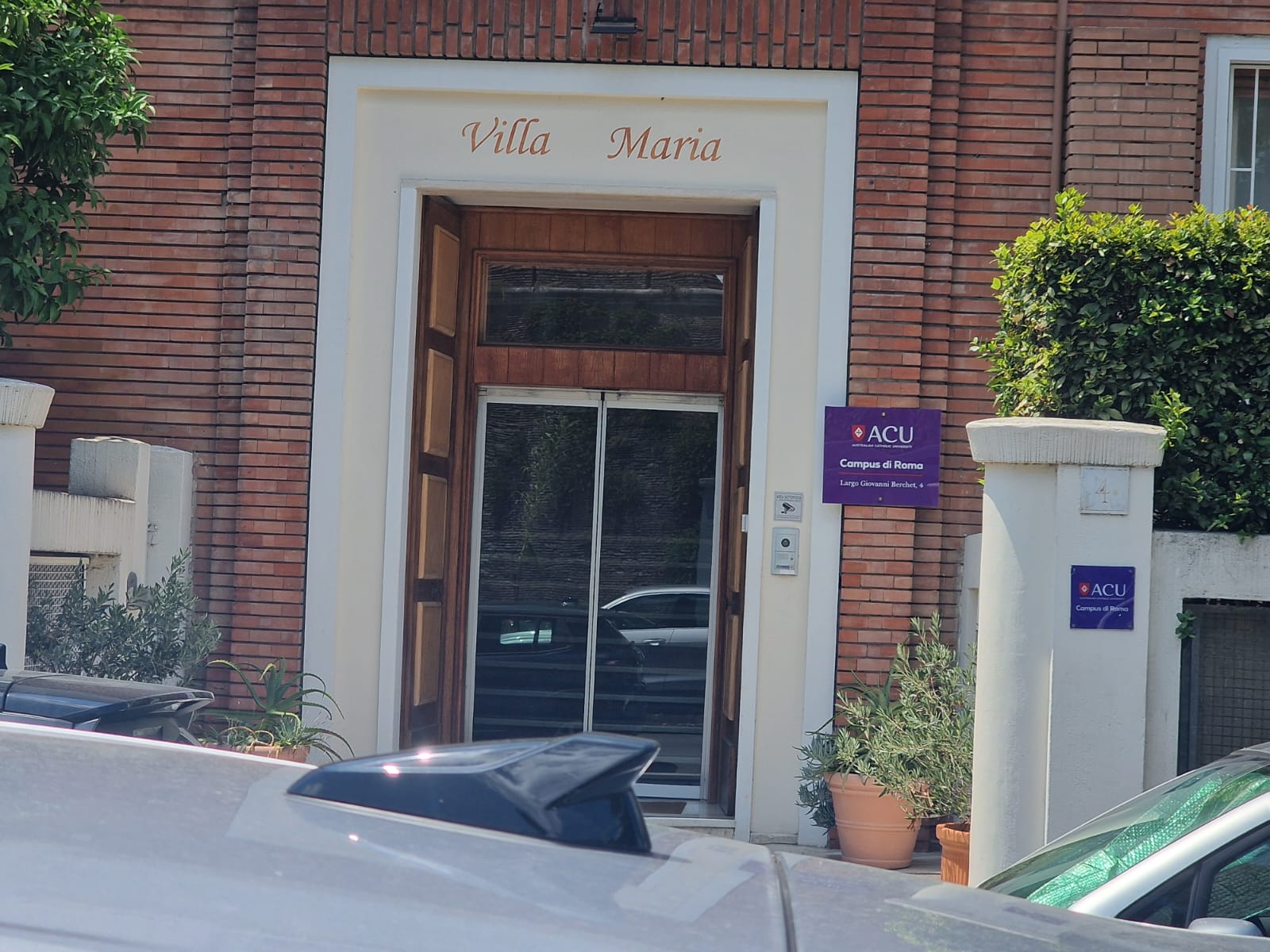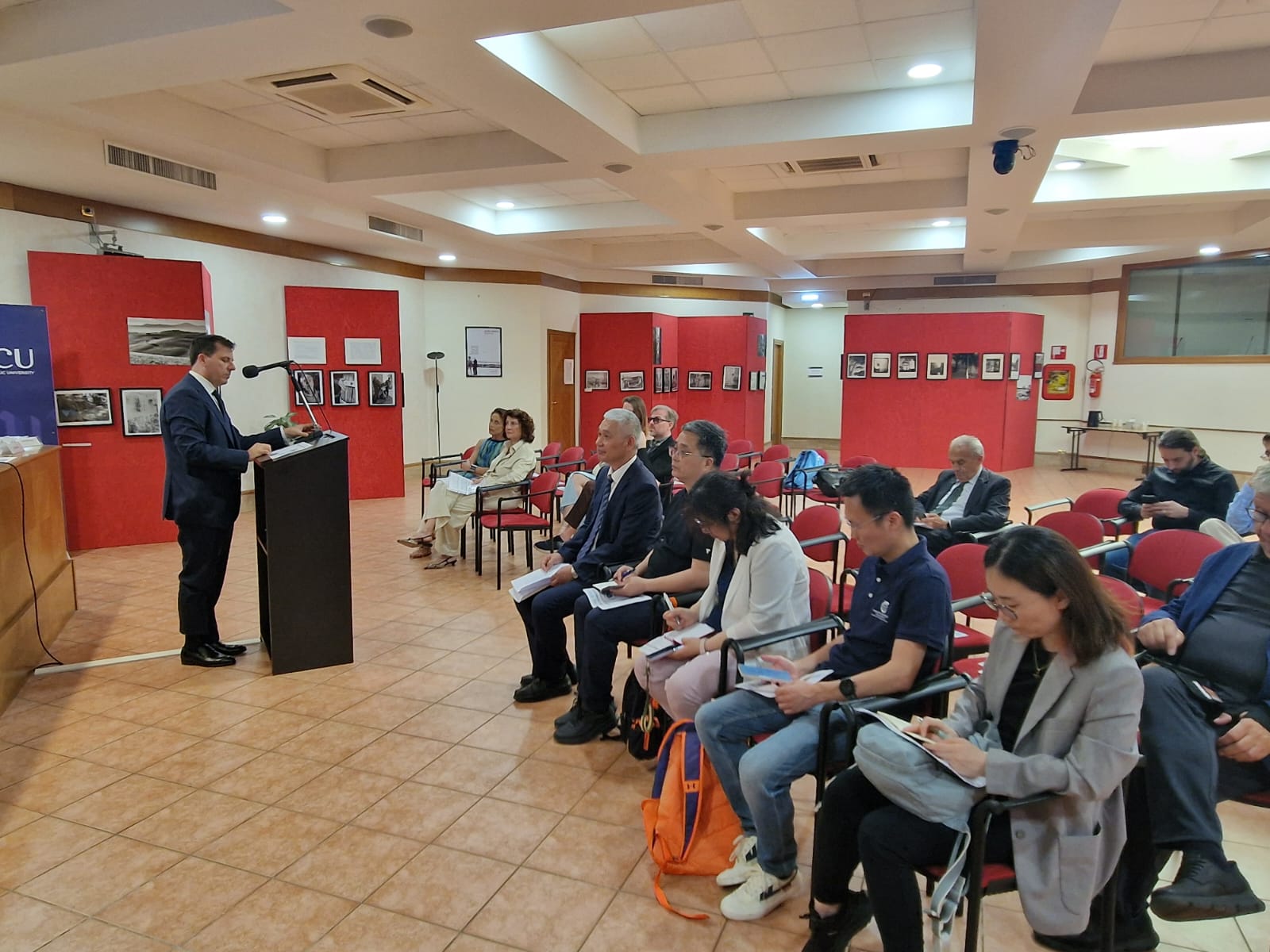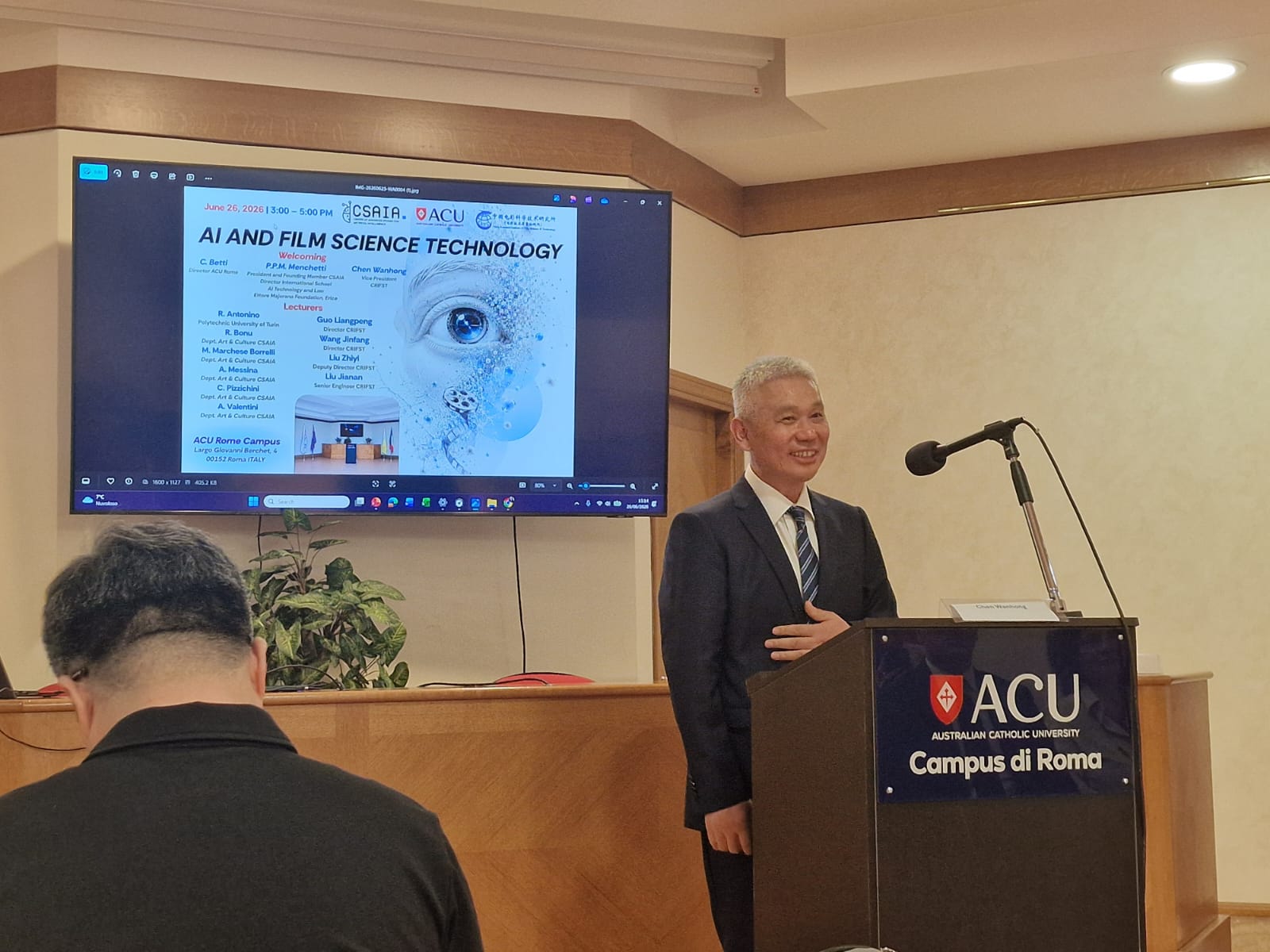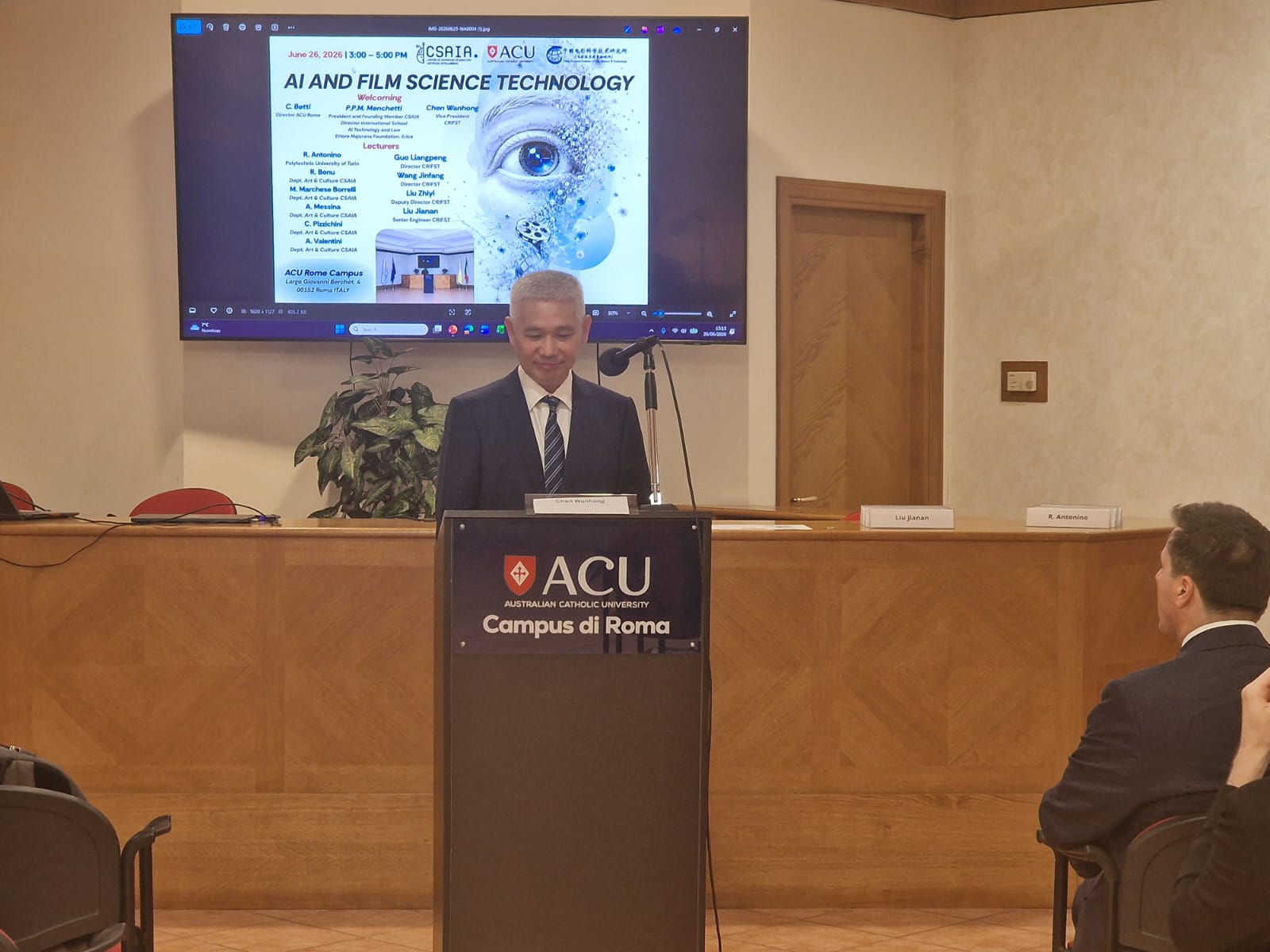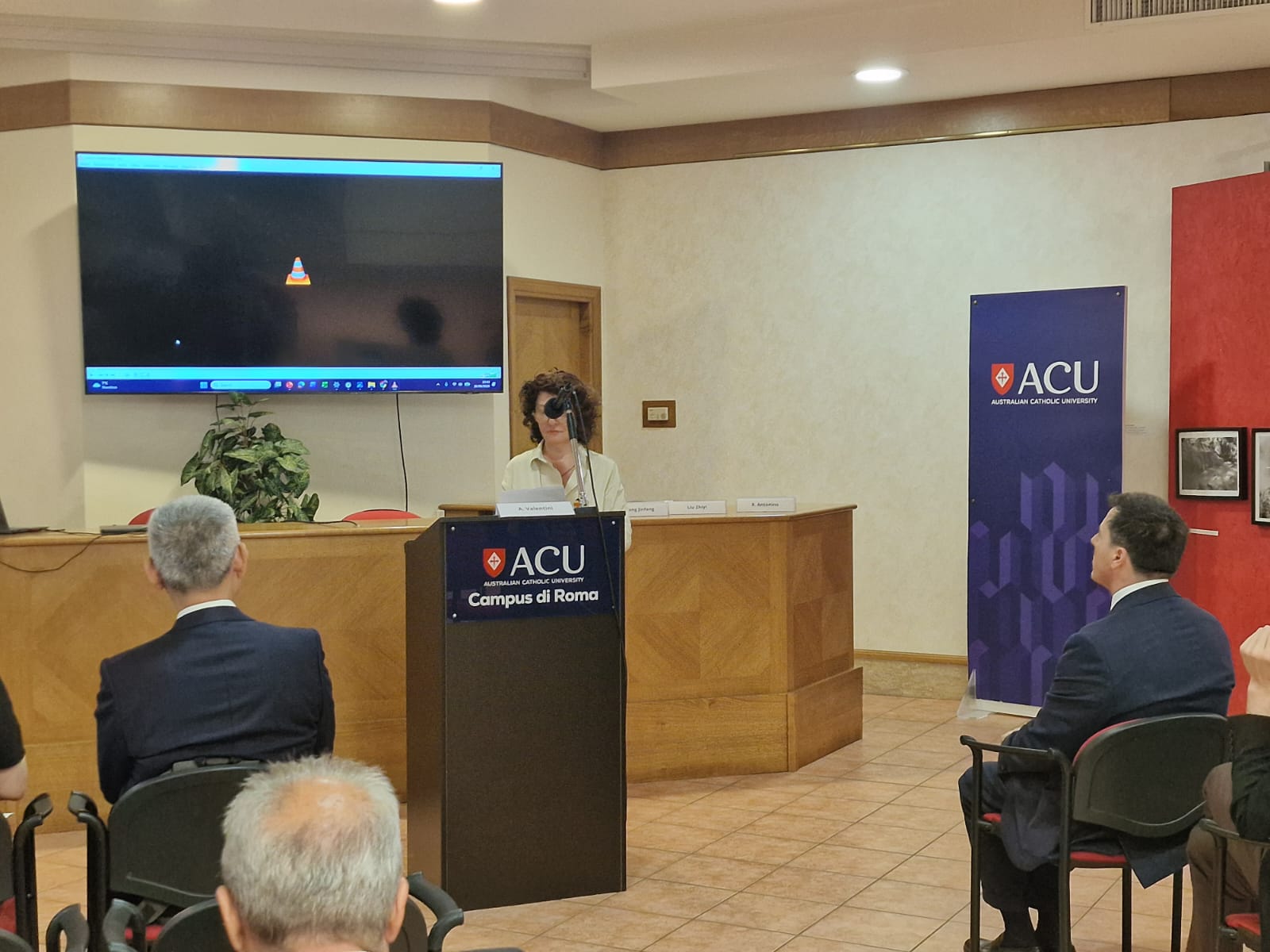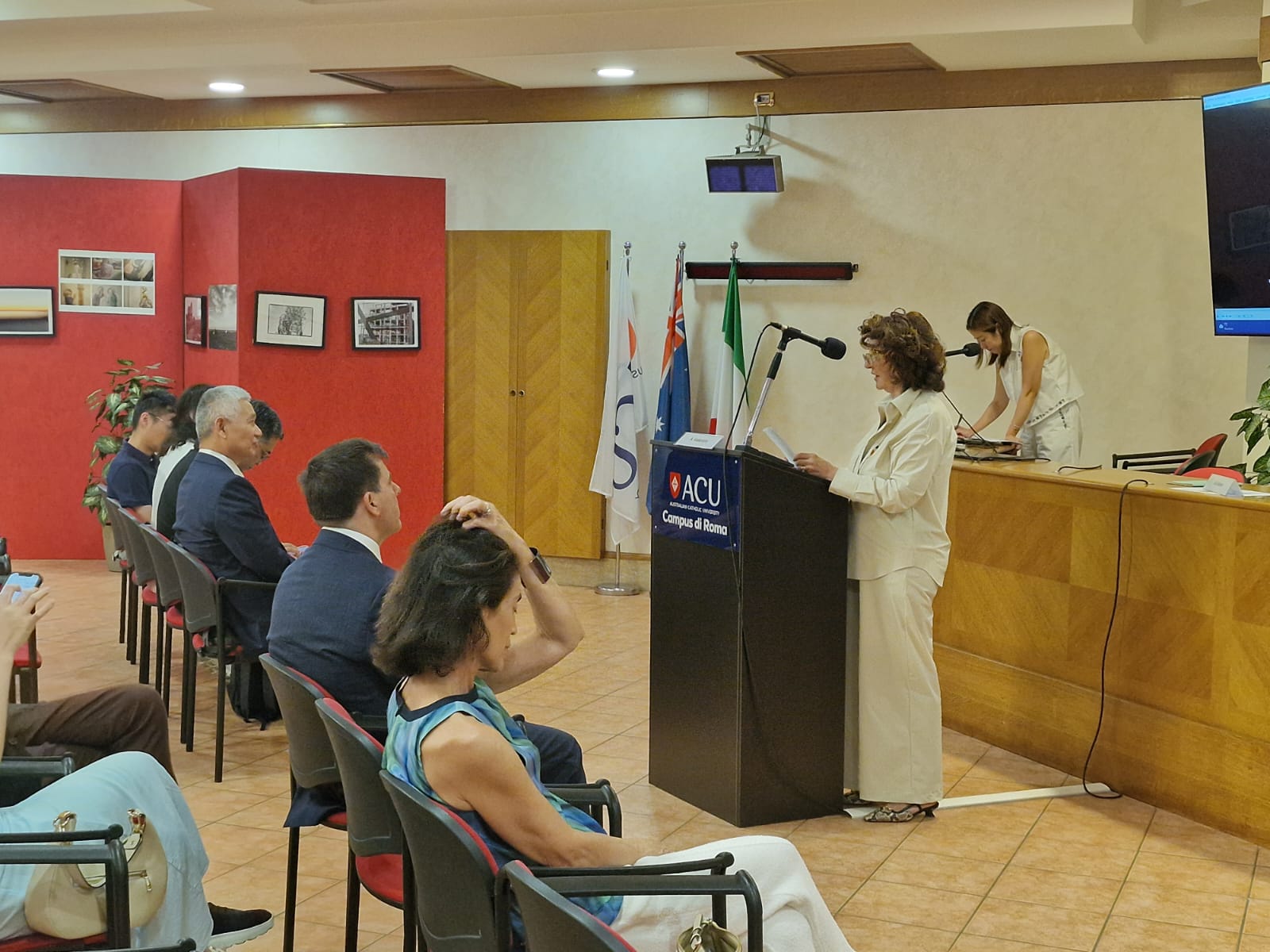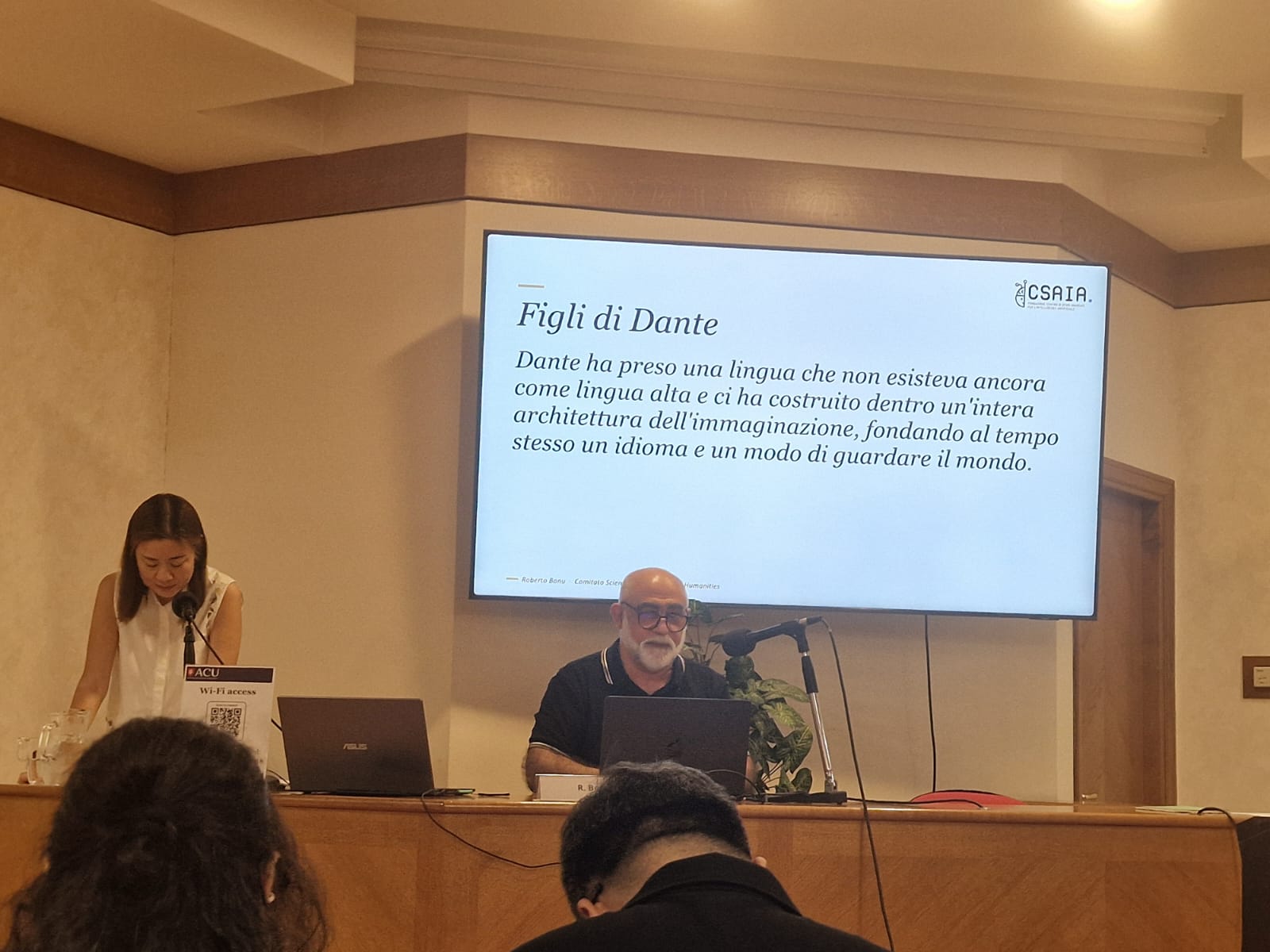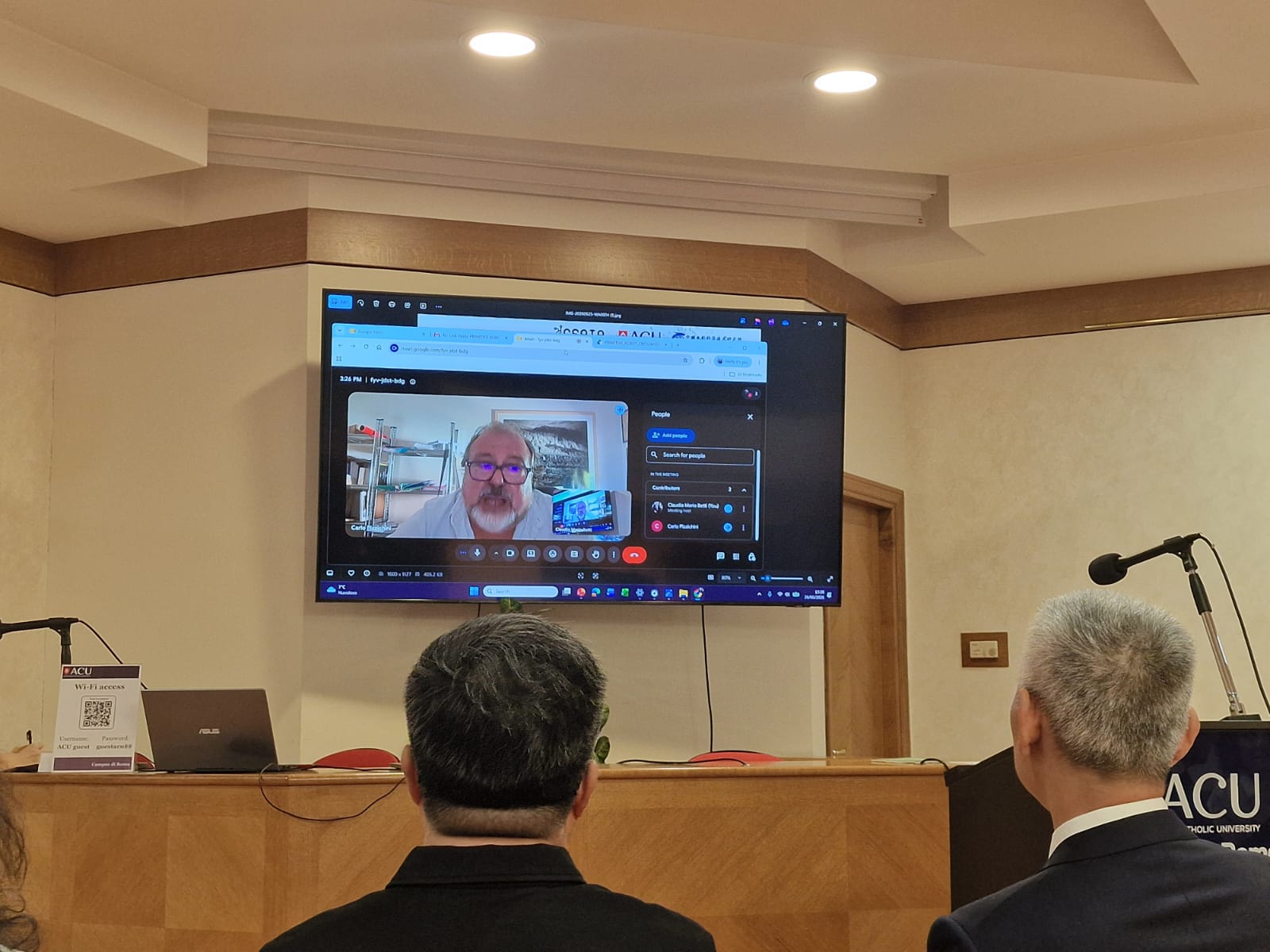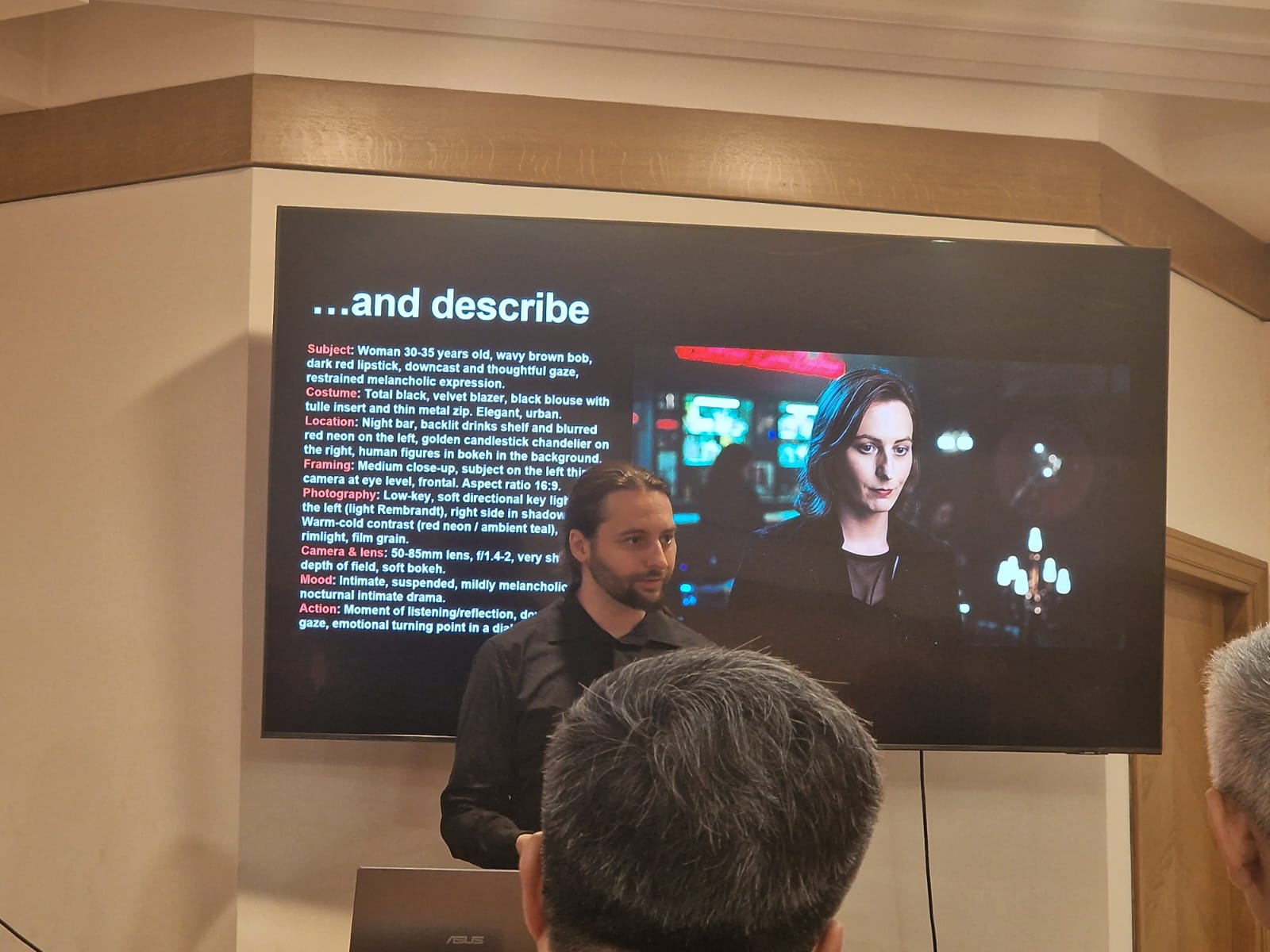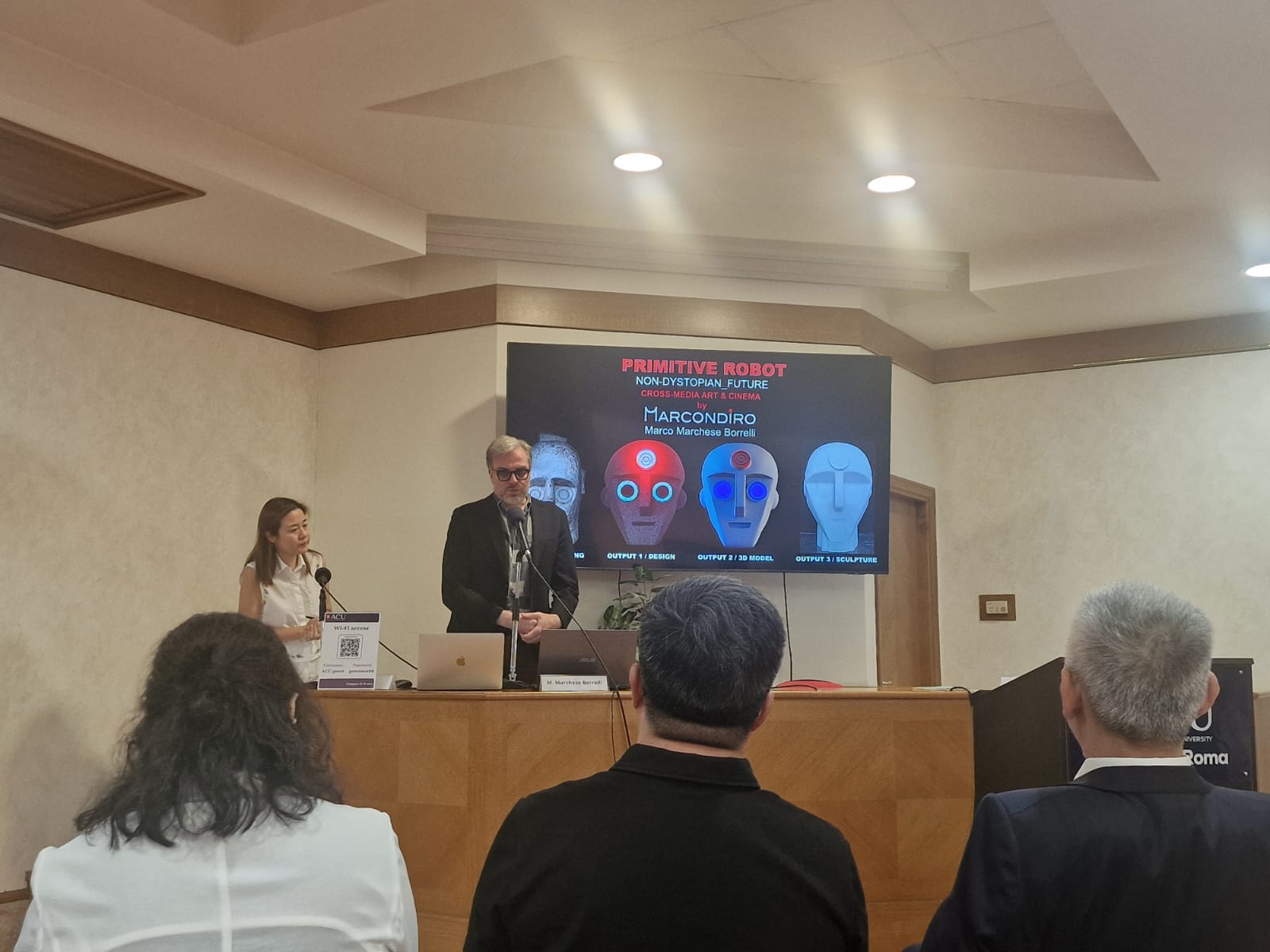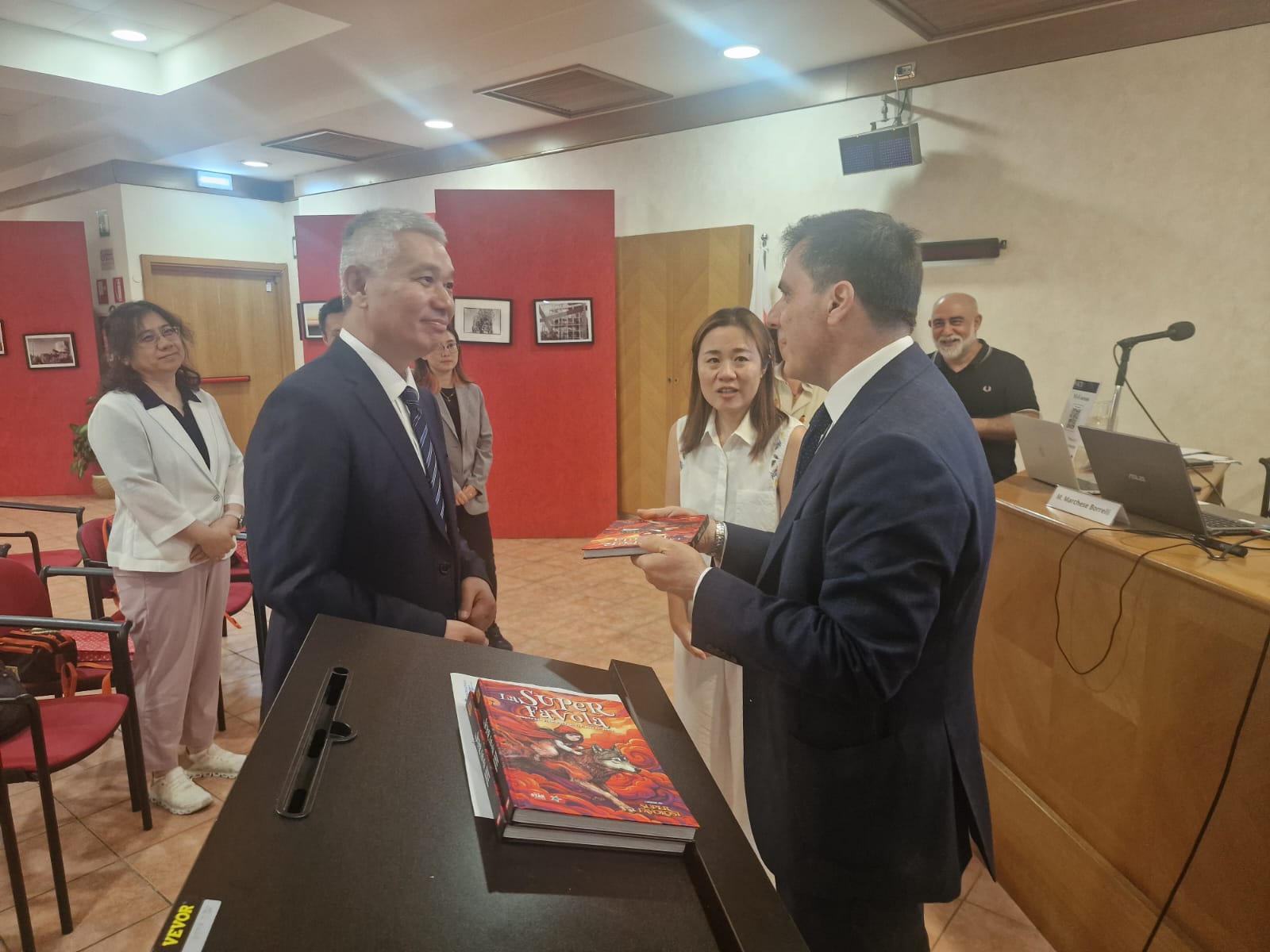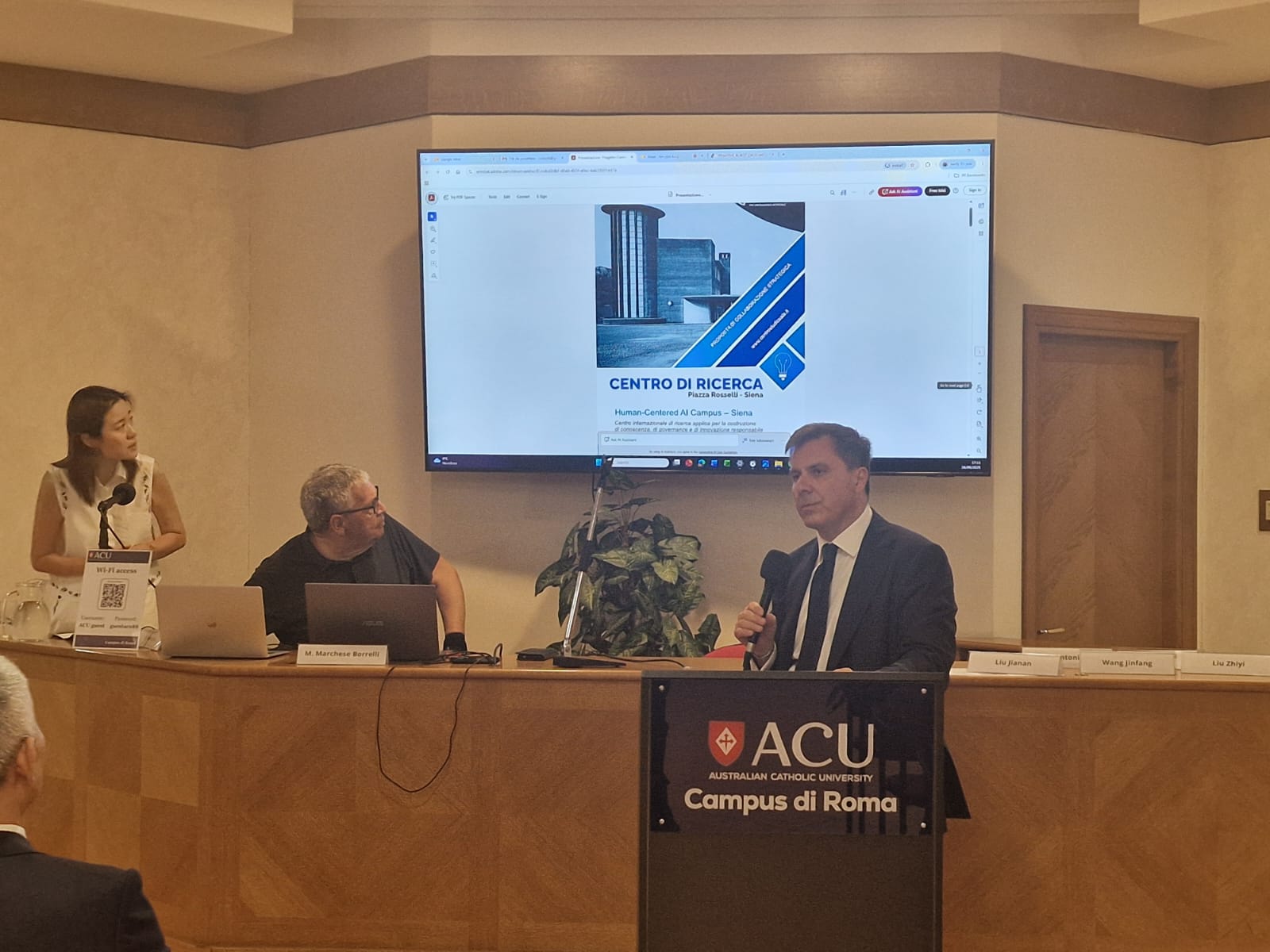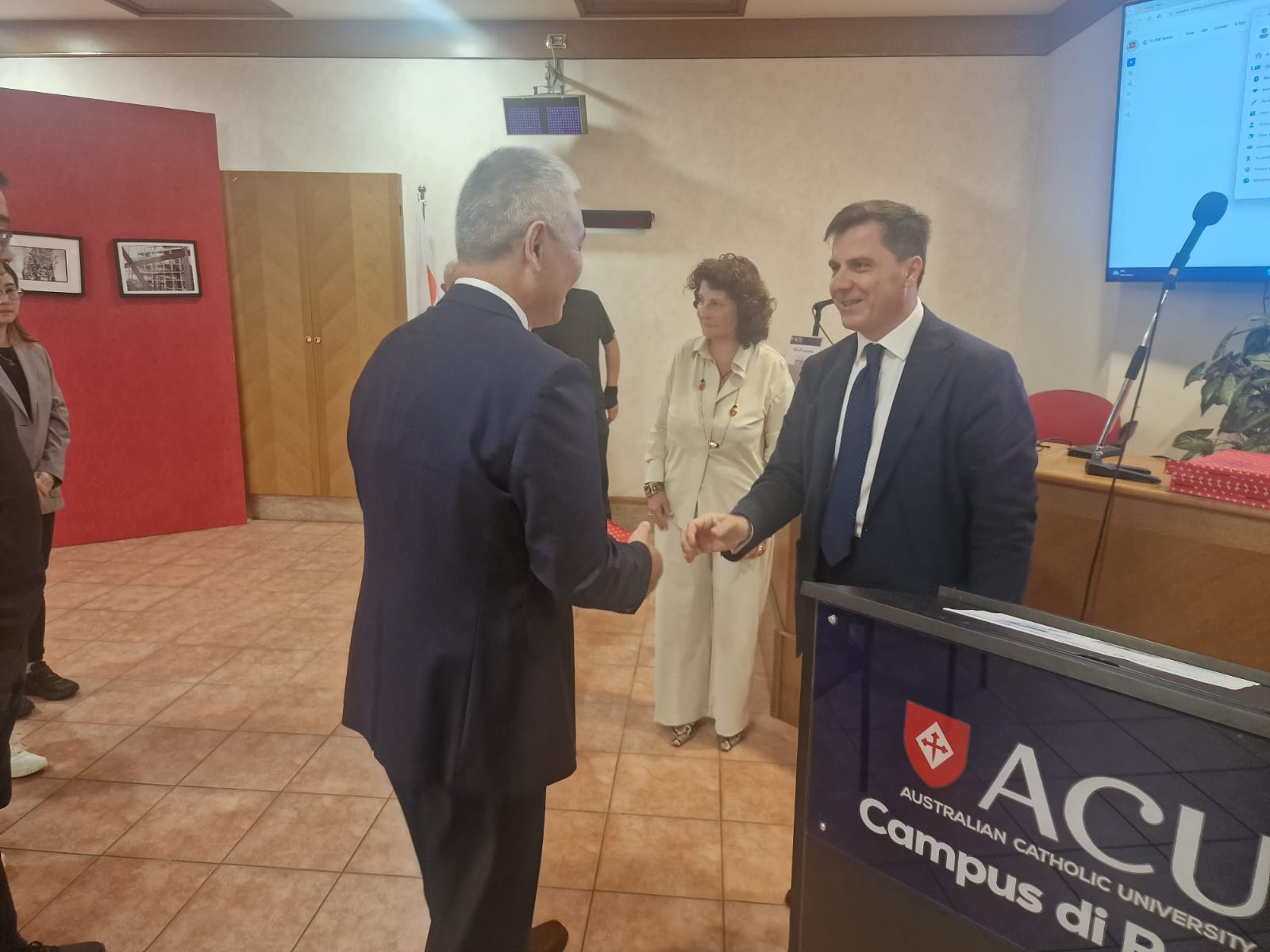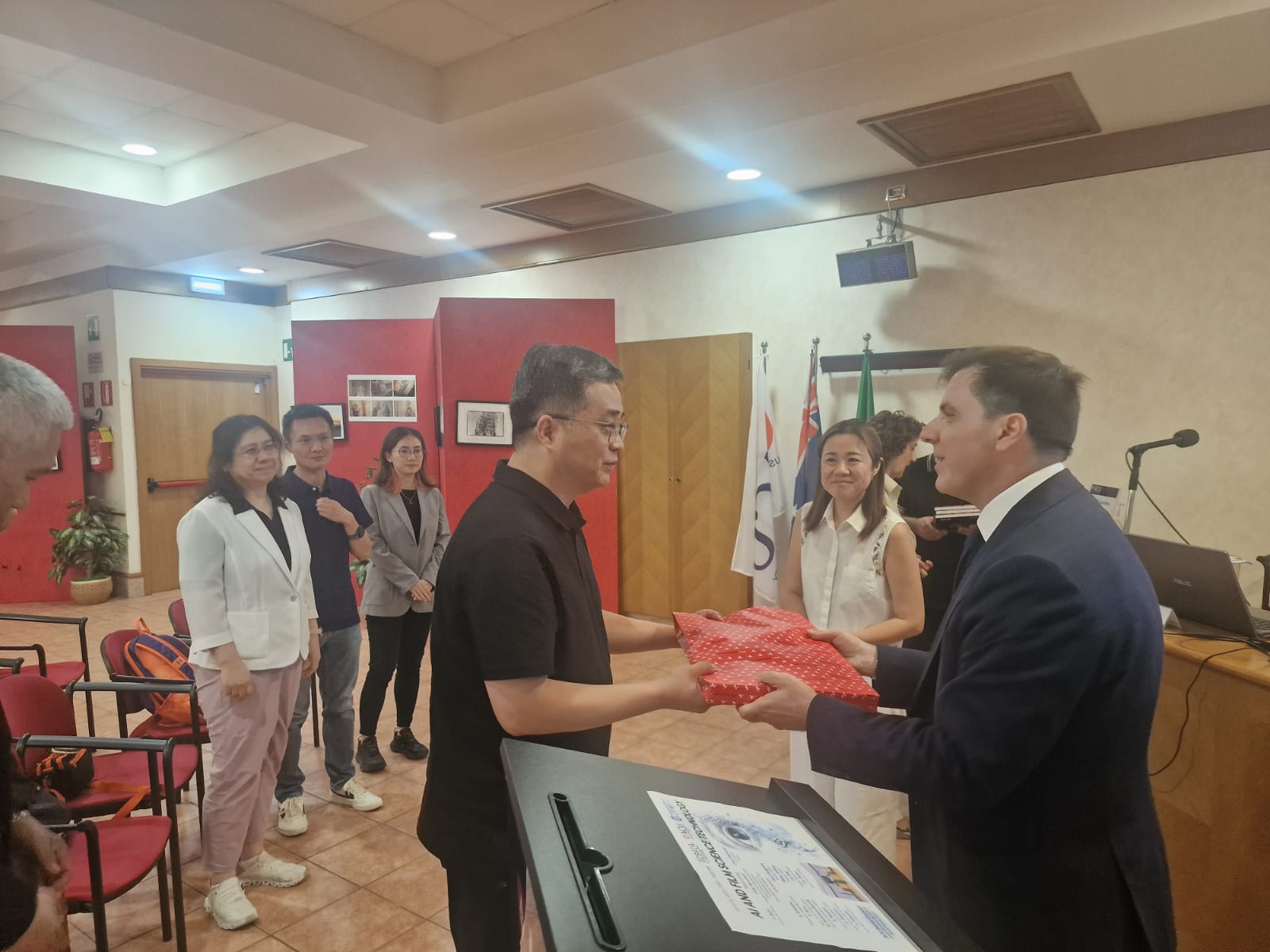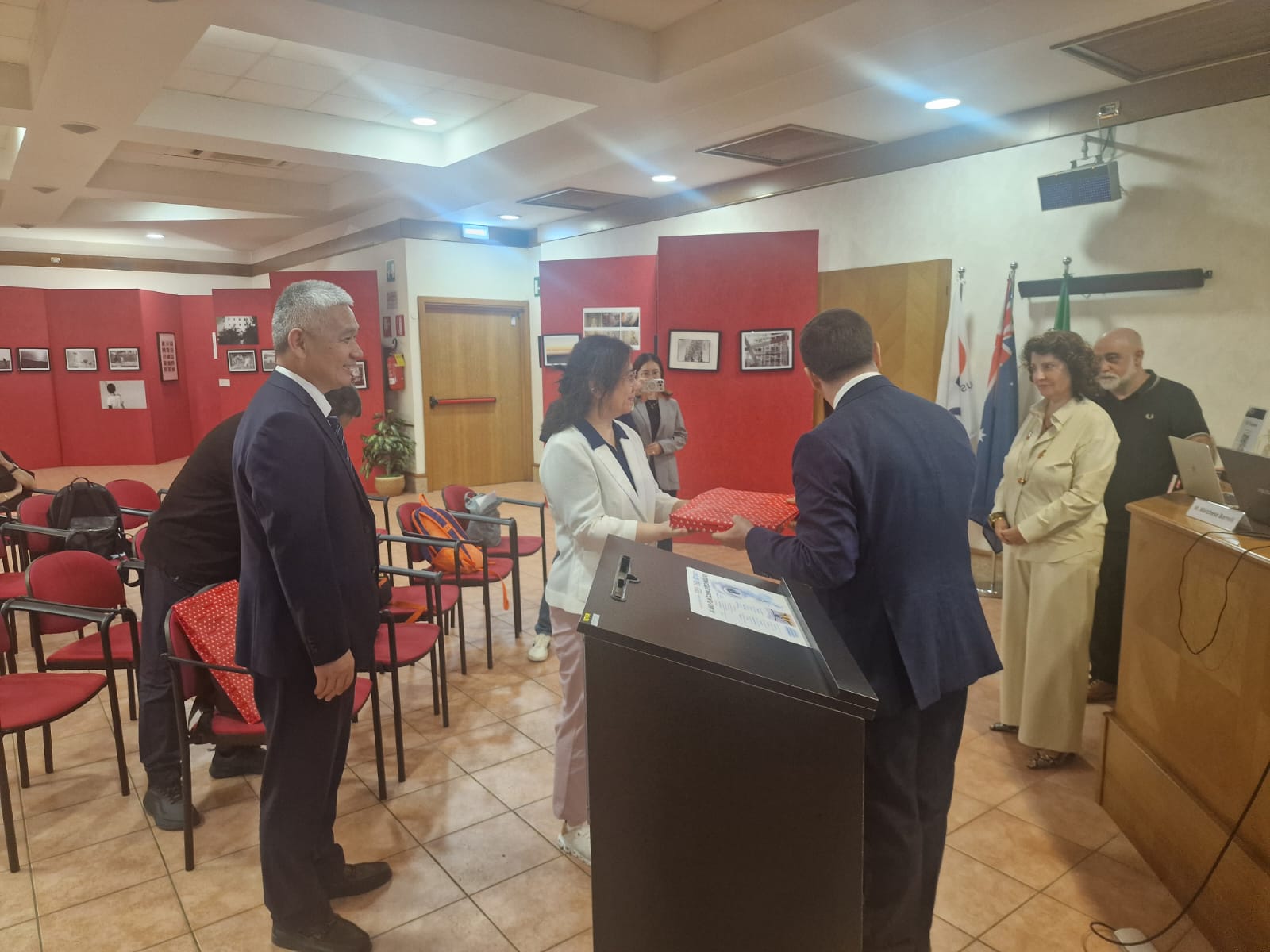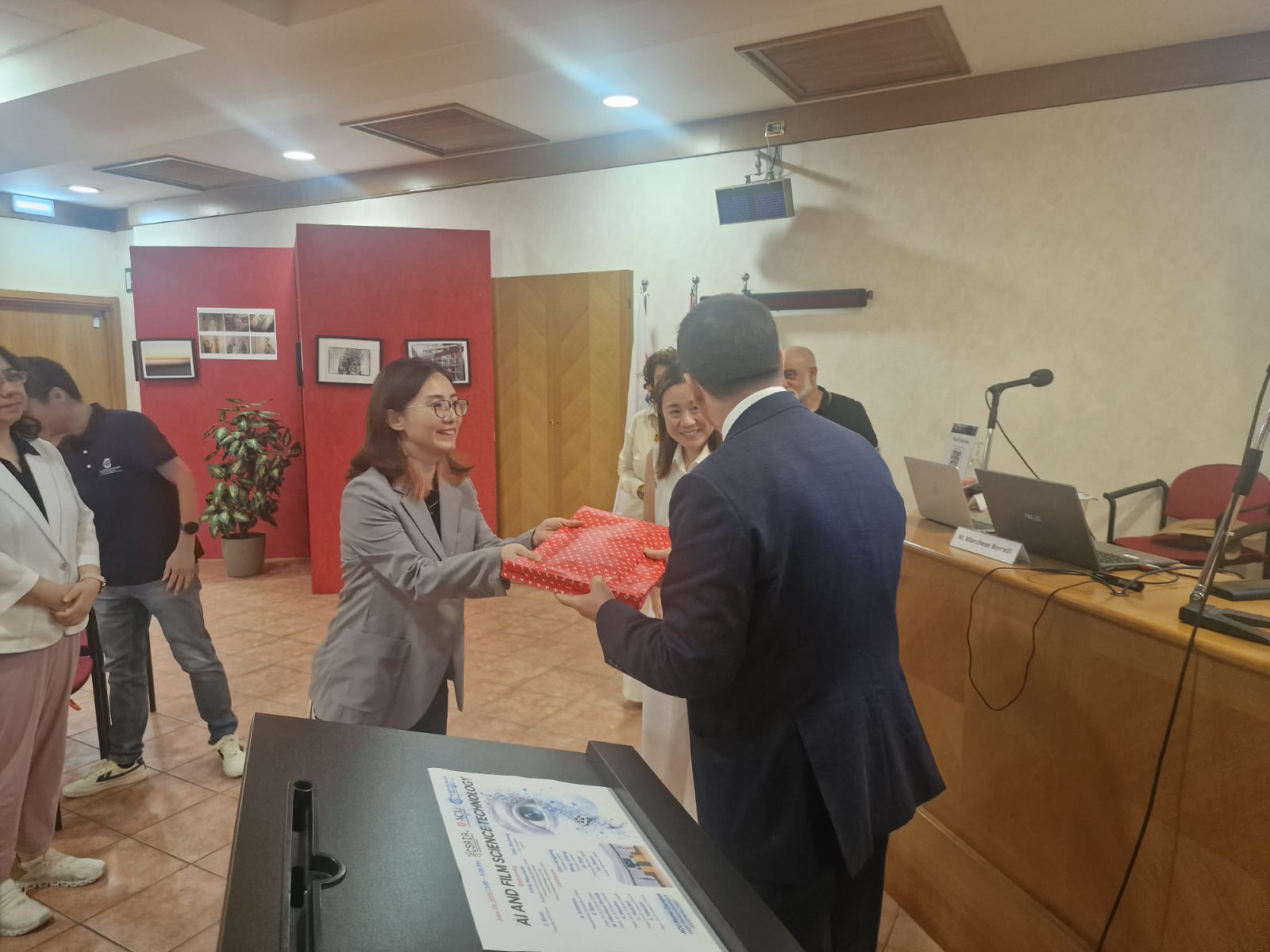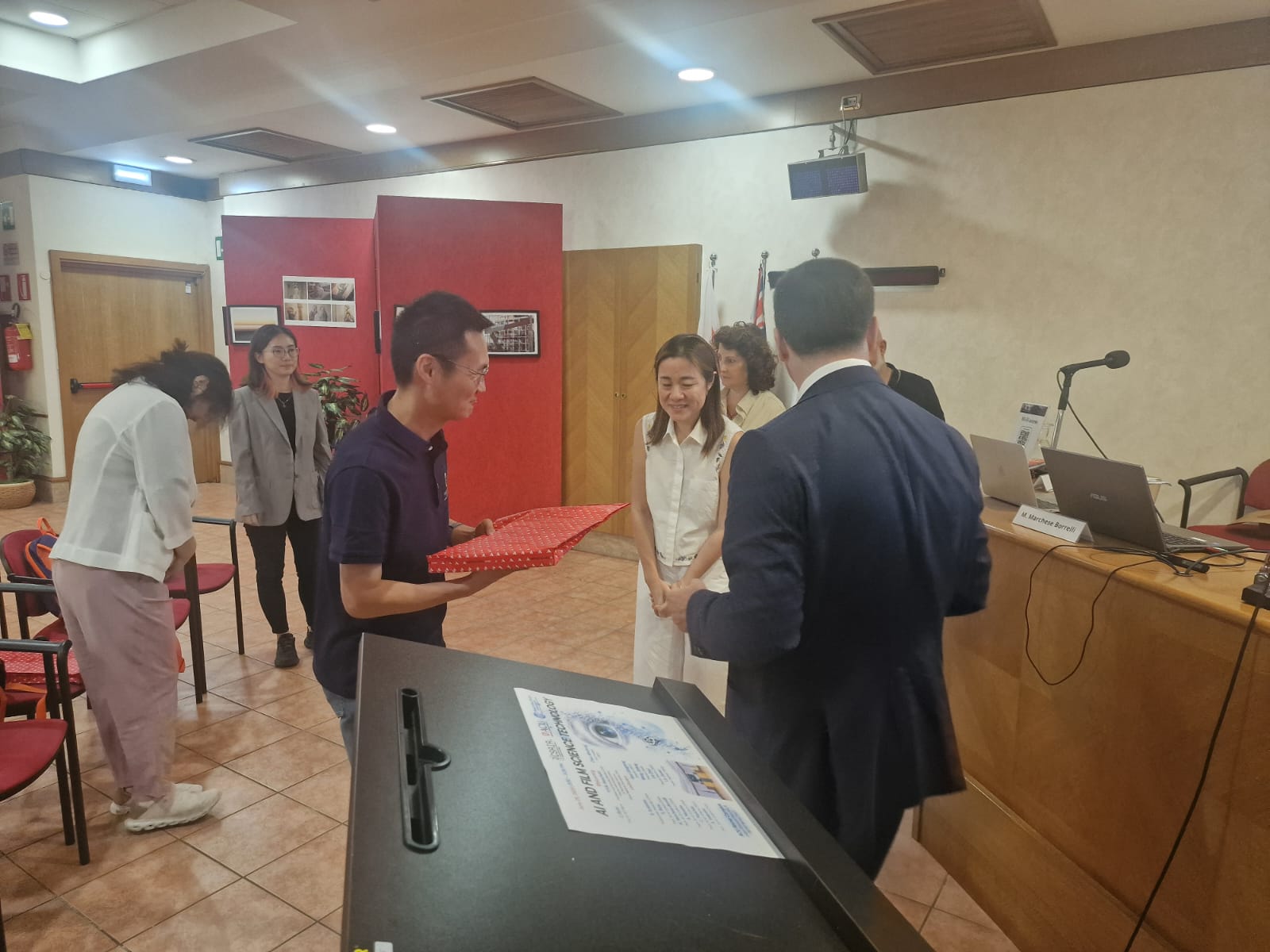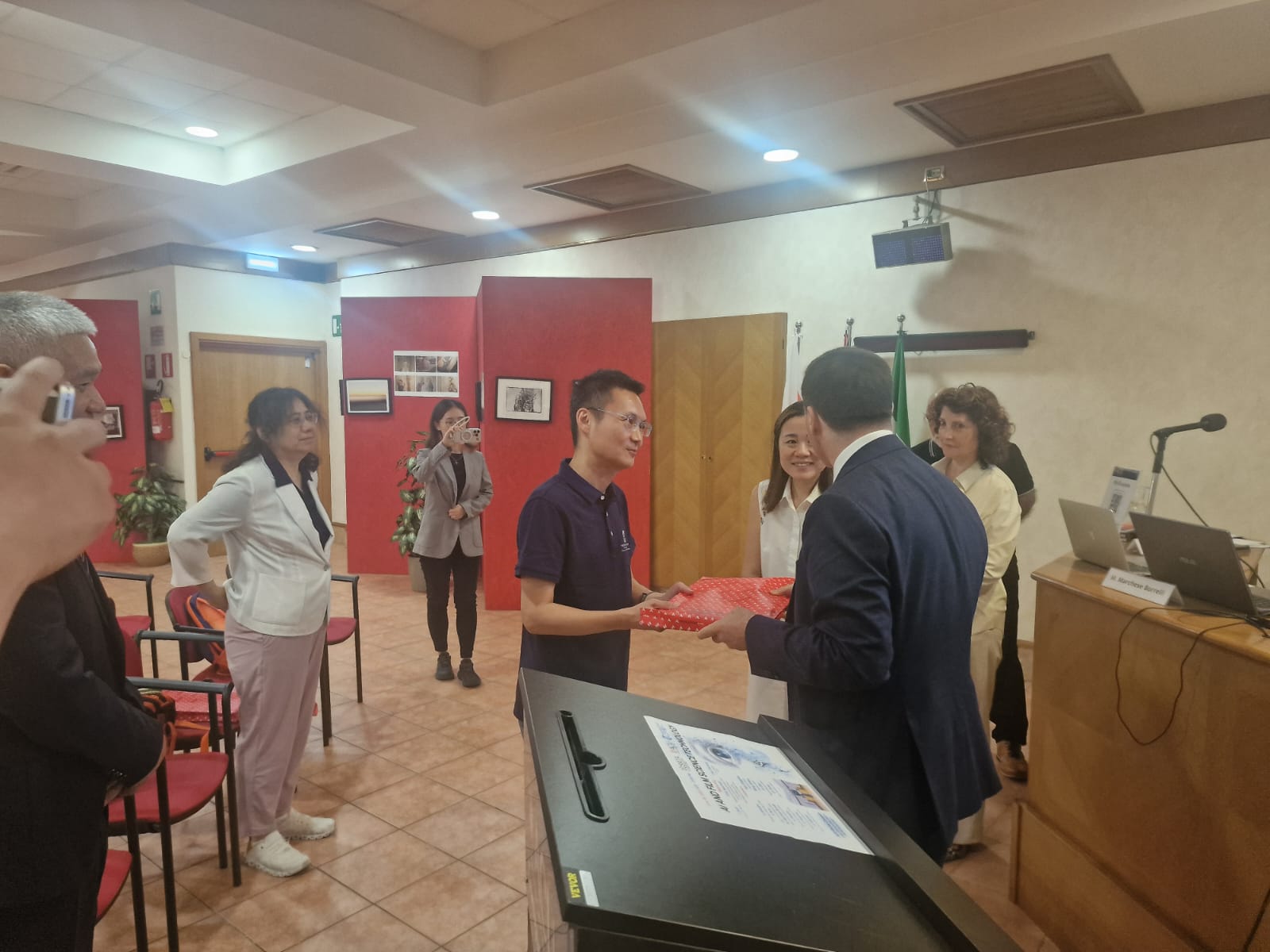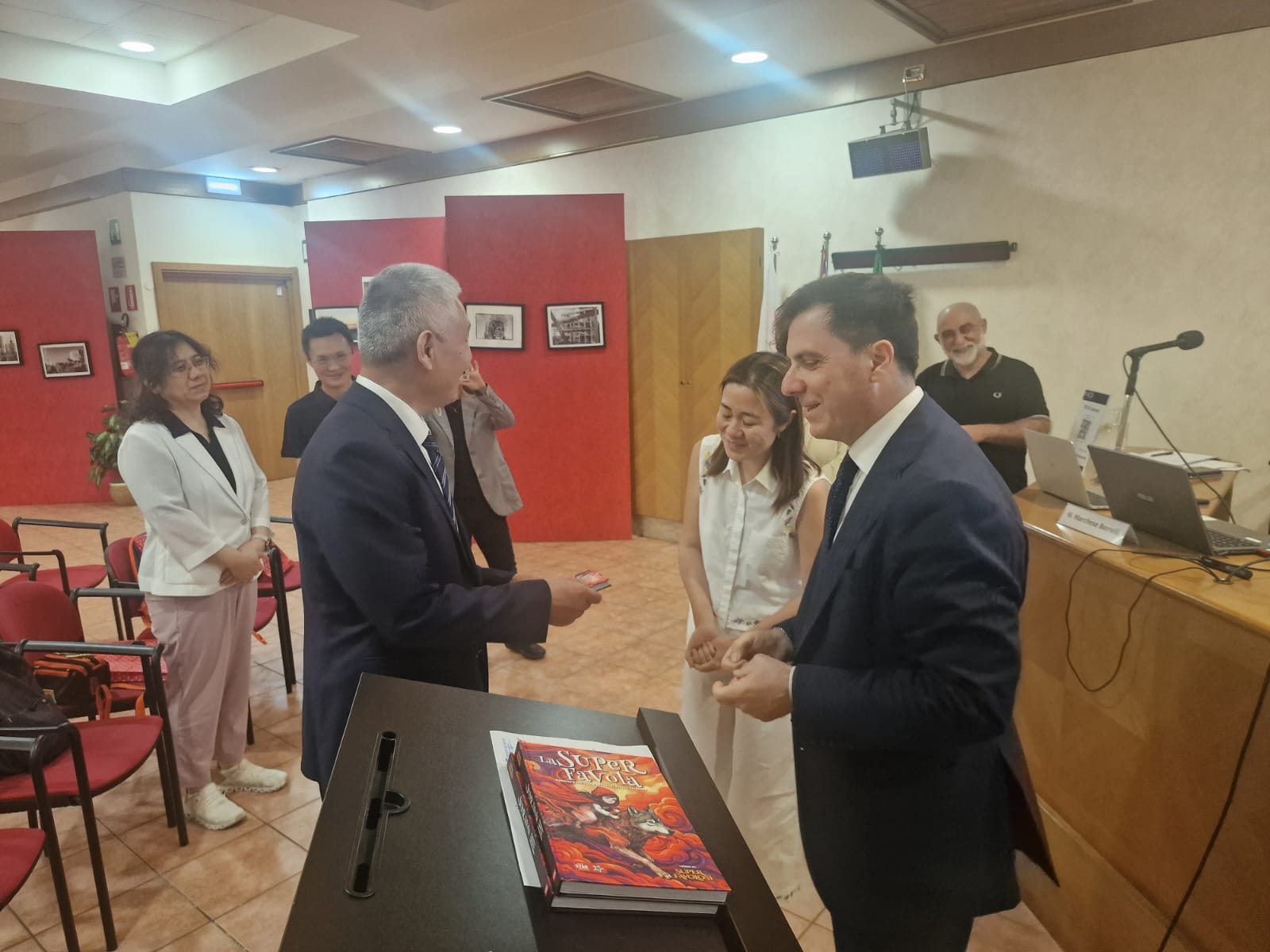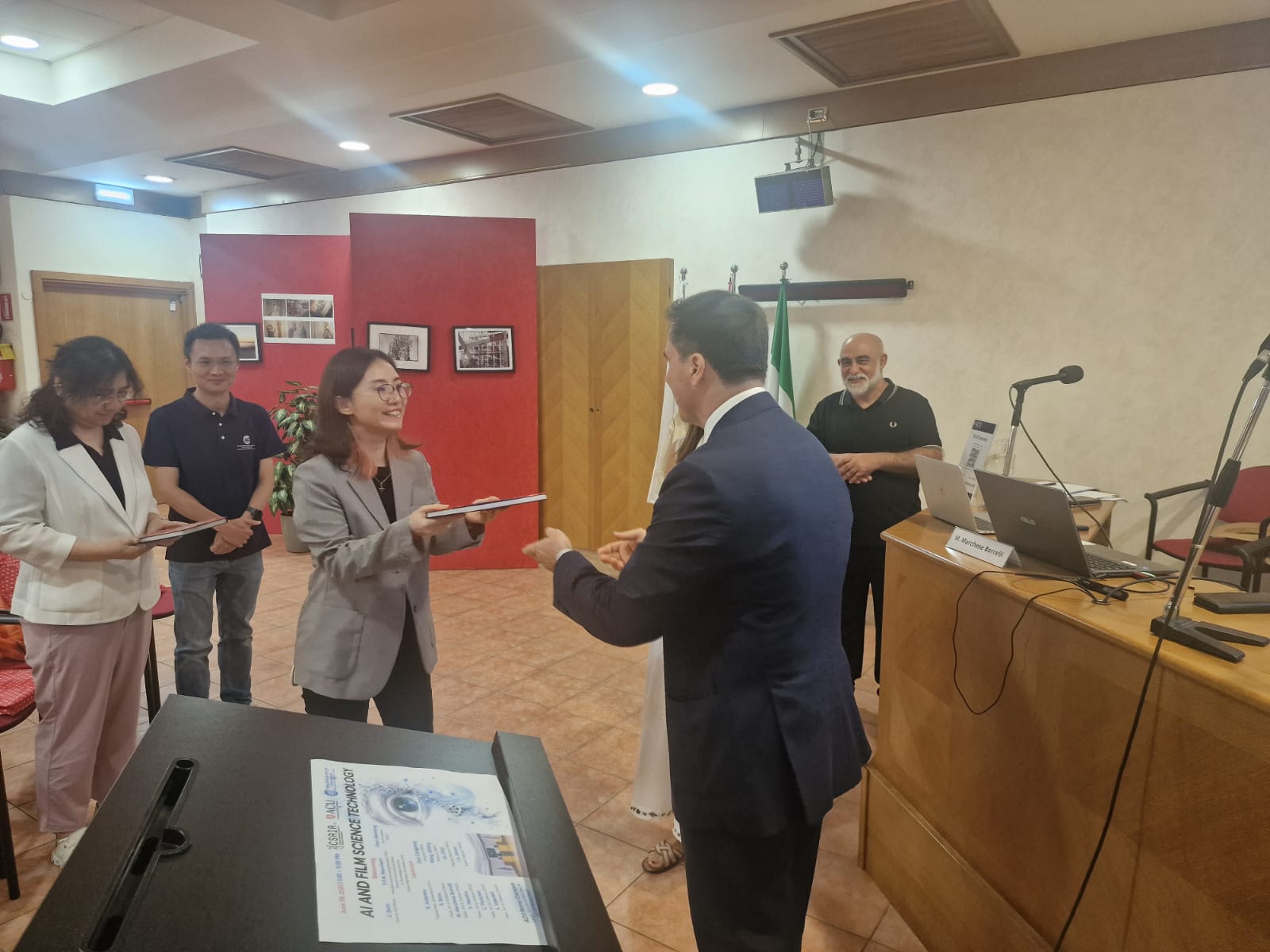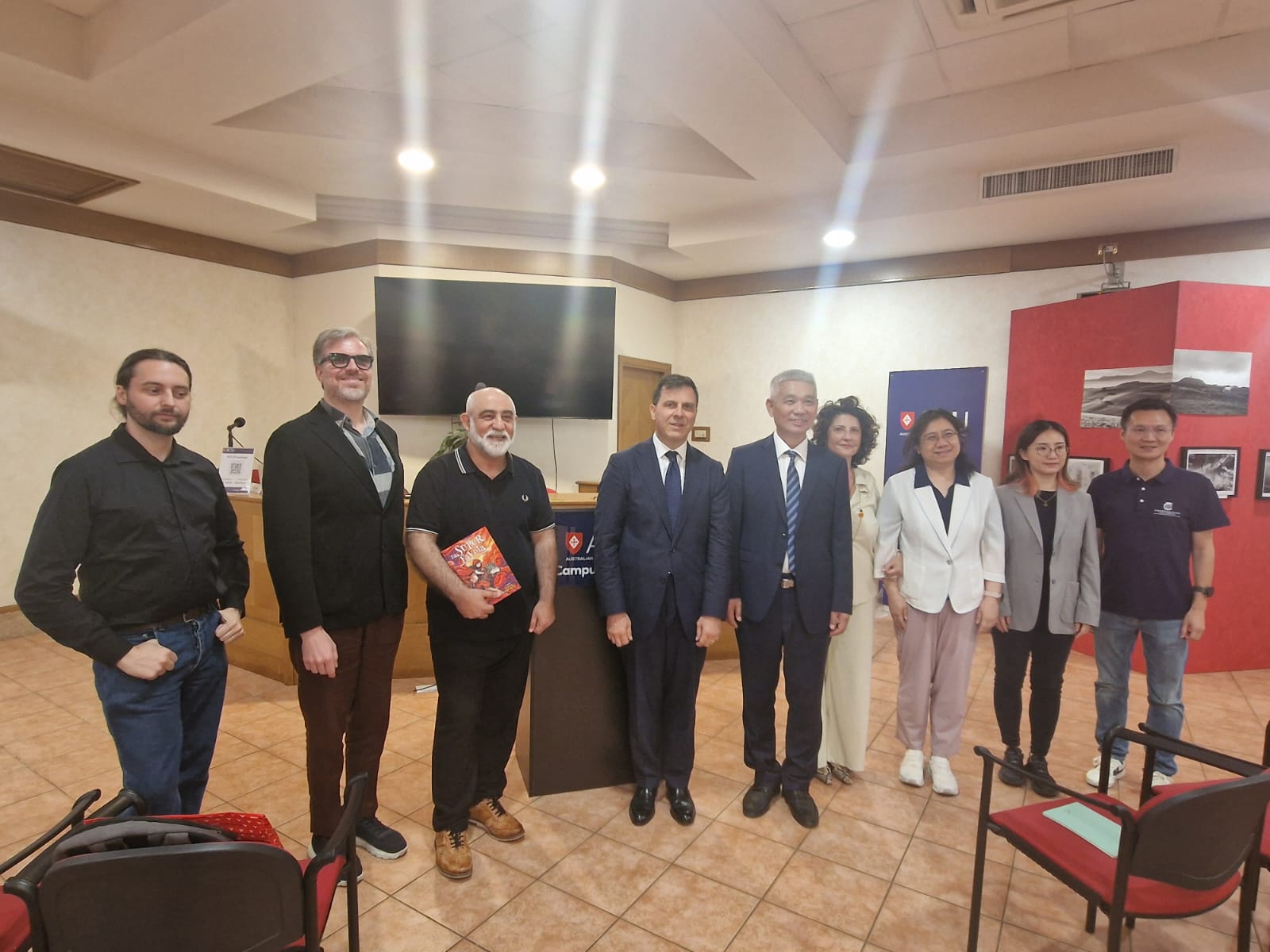
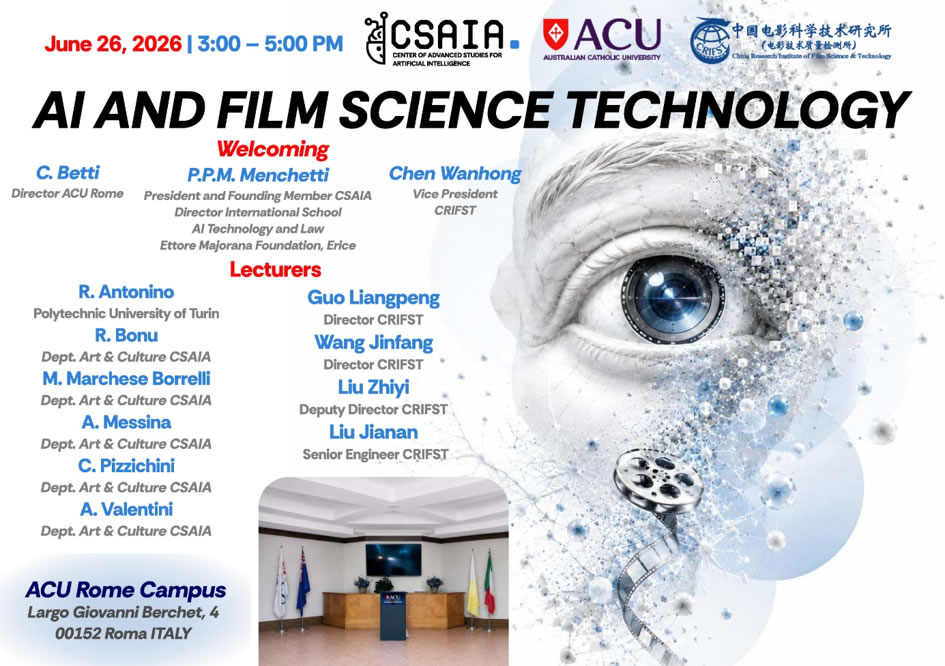
Rome hosted an important international forum dedicated to the evolution of Artificial Intelligence applied to cinema. At the Australian Catholic University (ACU) Rome Campus, the Center of Advanced Studies for Artificial Intelligence (CSAIA) organized the event “AI and Film Science Technology”, welcoming a distinguished delegation from the China Research Institute of Film Science & Technology (CRIFST), one of China’s leading research institutions in the field of film technologies.
The initiative represented far more than a scientific event: it marked the first step toward establishing an international collaboration among universities, research centers, and institutions committed to advancing artificial intelligence for the cultural and creative industries.
Artificial Intelligence as a Cross-Disciplinary Technology
Opening the event, Pier Paolo Maria Menchetti, President and Founder of CSAIA, emphasized that artificial intelligence has become a profoundly cross-disciplinary technology, capable of bridging different fields and fostering collaboration among scientific research, the humanities, the arts, and technological innovation. During his speech, he highlighted that the Center operates through an international network spanning numerous countries and noted that the dialogue with the China Research Institute of Film Science & Technology, founded in 1958, represents an important opportunity to develop new collaborative research initiatives in the film sector.
As emphasized throughout the meeting, the objective is not to replace human creativity with automated systems, but rather to place technology at the service of people by providing tools capable of improving the quality of audiovisual production, reducing production times, and supporting new models of international collaboration.
The Contribution of the China Research Institute of Film Science & Technology
One of the highlights of the event was the presentation by Chen Wanhong, Vice President of CRIFST, who outlined the activities of the Chinese institute, now recognized as China’s national reference center for research, certification, standardization, and technology transfer in the film industry.
CRIFST operates laboratories dedicated to digital technologies, 4K and 3D systems, special effects, digital transmission, and new artificial intelligence applications for the film industry. Its activities range from scientific research and the development of technical standards to certification services and consultancy for the entire audiovisual sector.
Particular attention was devoted to the evolution of intelligent technologies across the entire film production chain, highlighting how artificial intelligence is progressively transforming every stage of the creative and production process.
From Screenwriting to Dubbing: How Film Production Is Changing
During the conference, several practical examples of artificial intelligence applications in cinema were presented.
The new platforms developed by CRIFST now support screenplay writing, audiovisual content generation, automatic translation, multilingual dubbing, lip synchronization, and the management of the entire post-production workflow.
According to the presentations, these systems achieve very high levels of accuracy in audiovisual translation while significantly reducing production time and costs, thereby enabling much faster international distribution of films compared with traditional processes.
Artificial intelligence is therefore becoming a powerful tool for expanding the global circulation of cinematic works by overcoming traditional language barriers.
Human Creativity Remains at the Center of the Creative Process
One of the strongest messages emerging from the event concerned the relationship between human creativity and artificial intelligence.
The speakers reiterated that AI should not be regarded as a substitute for authors, but rather as an assistant capable of automating repetitive tasks while leaving artists, directors, and screenwriters fully responsible for creative decisions.
Artificial intelligence is therefore viewed as a support tool that frees up time and resources, allowing professionals to focus on the most artistic, cultural, and expressive aspects of filmmaking.
Cinema, Cultural Heritage, and International Cultural Diplomacy
Another particularly significant contribution came from the CSAIA Department of Arts & Culture, which emphasized how artificial intelligence represents an extraordinary opportunity for the enhancement of cultural heritage.
AI can contribute to the digital reconstruction of historical settings, the restoration of film archives, the production of multilingual documentaries, and the international dissemination of Italy’s artistic heritage.
Through cinema and intelligent technologies, it becomes possible to tell the story of Italy and other great civilizations in entirely new ways, making cultural heritage accessible to international audiences through translation, dubbing, and personalized storytelling.
This perspective broadens the role of artificial intelligence, which is no longer viewed solely as a production technology but also as a powerful instrument of cultural diplomacy and dialogue among nations—an increasingly essential role in today’s world.
A Partnership Set to Grow
The meeting highlighted the shared commitment to establishing a long-term collaboration among CSAIA, the Australian Catholic University, and the China Research Institute of Film Science & Technology.
The objective is to develop joint initiatives in research, education, and technology transfer dedicated to the application of artificial intelligence in the film industry, fostering dialogue among scientific, technological, artistic, and humanities expertise.
The event in Rome therefore marks the beginning of a collaborative journey that could open new opportunities for international cooperation in AI applied to the cultural and creative industries, bringing together two countries—Italy and China—that can offer outstanding contributions in both creativity and technological innovation.
At a time when artificial intelligence is profoundly reshaping audiovisual production processes, initiatives such as this reaffirm the role of CSAIA as a promoter of an interdisciplinary approach capable of combining technological innovation, cultural heritage, and human-centered values, encouraging scientific dialogue that looks toward the future while preserving the enduring values of creativity and culture that define our shared history.