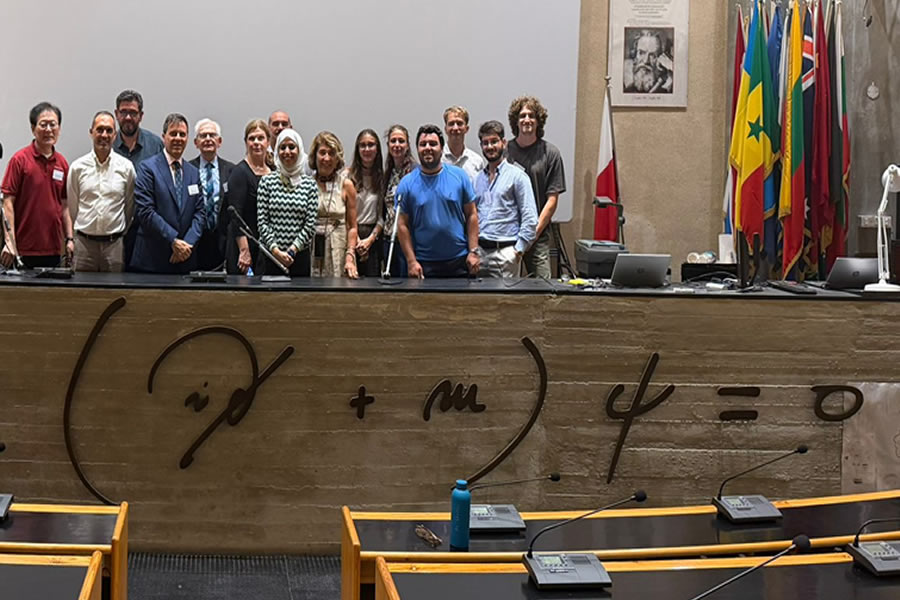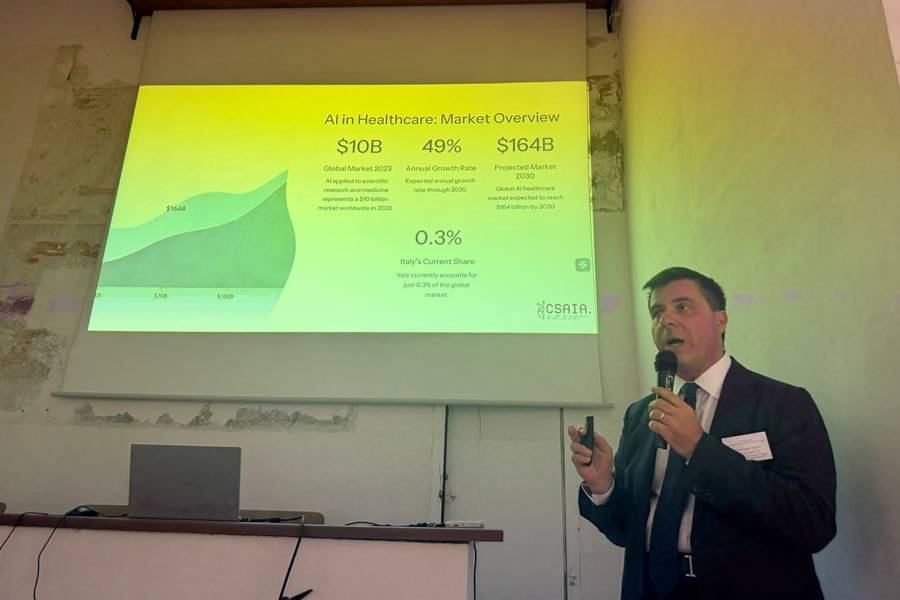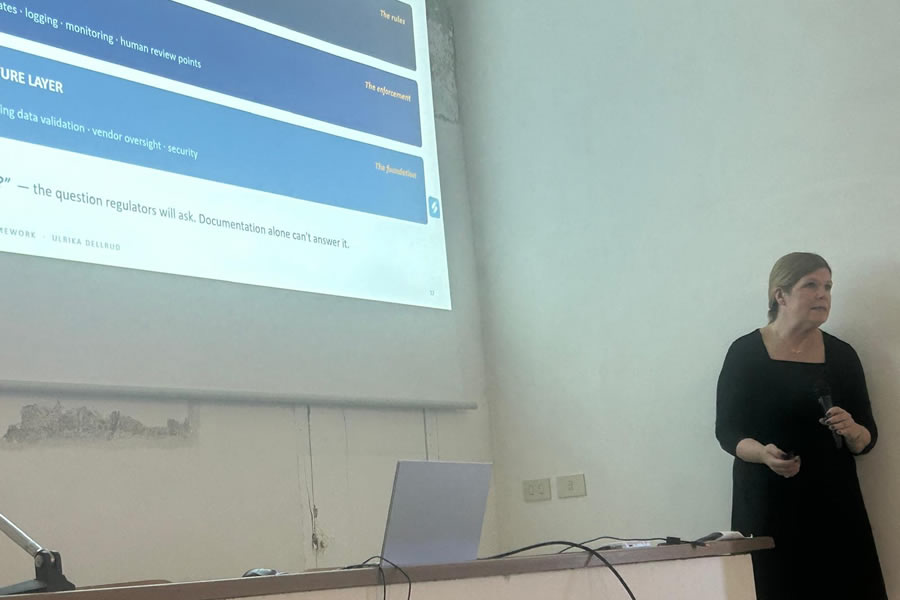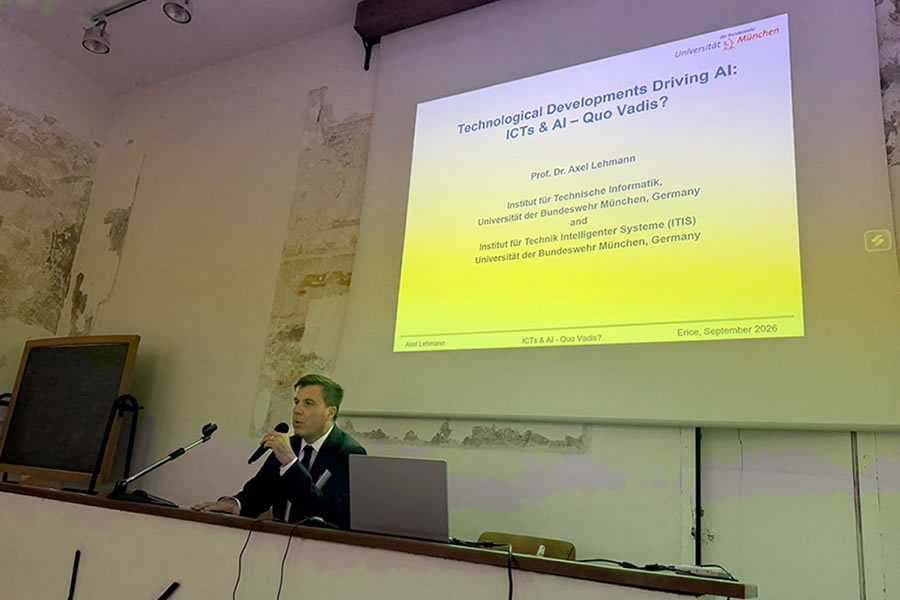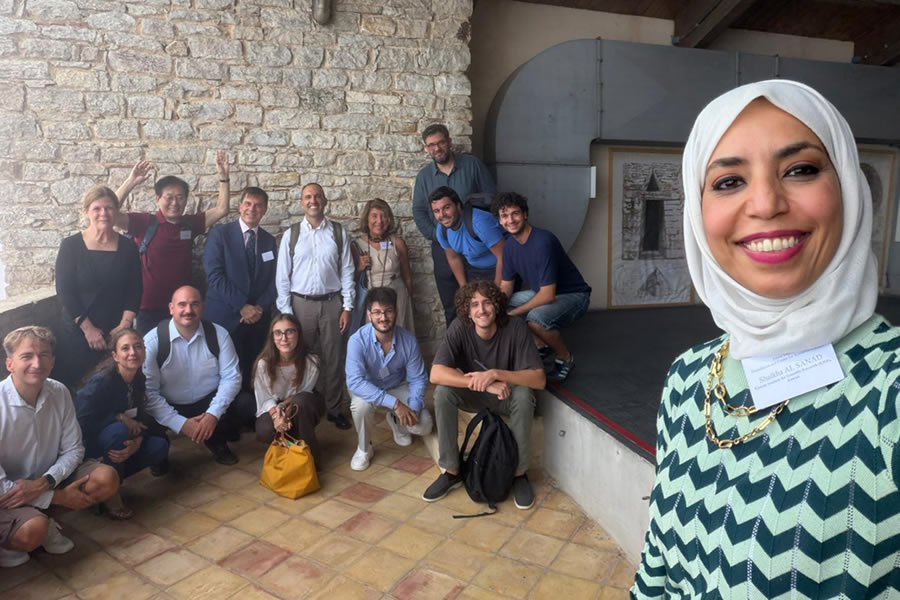
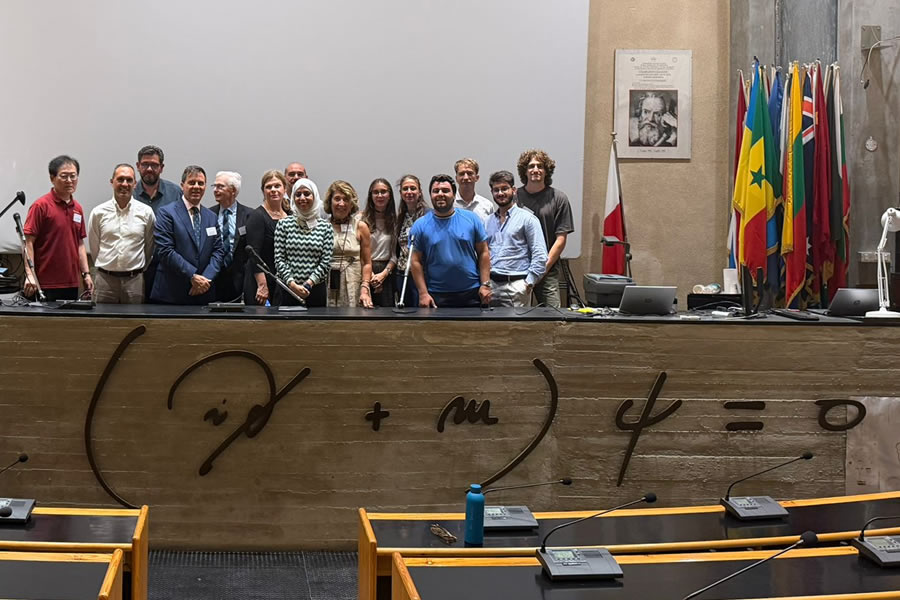
From 1 to 6 September 2026, the Ettore Majorana Foundation in Erice hosted the second edition of the International School on Artificial Intelligence: Technology and Law. International experts and researchers discussed the applications, risks, regulation and governance of artificial intelligence, outlining the principles of a transparent, verifiable People’s AI designed to serve humanity.
Artificial Intelligence, Technology and Law: the Second Edition of the International School in Erice
From 1 to 6 September 2026, the second edition of the International School on Artificial Intelligence: Technology and Law was held in the unique scientific and cultural setting of Erice, organised by the «Ettore Majorana» Foundation and Centre for Scientific Culture.
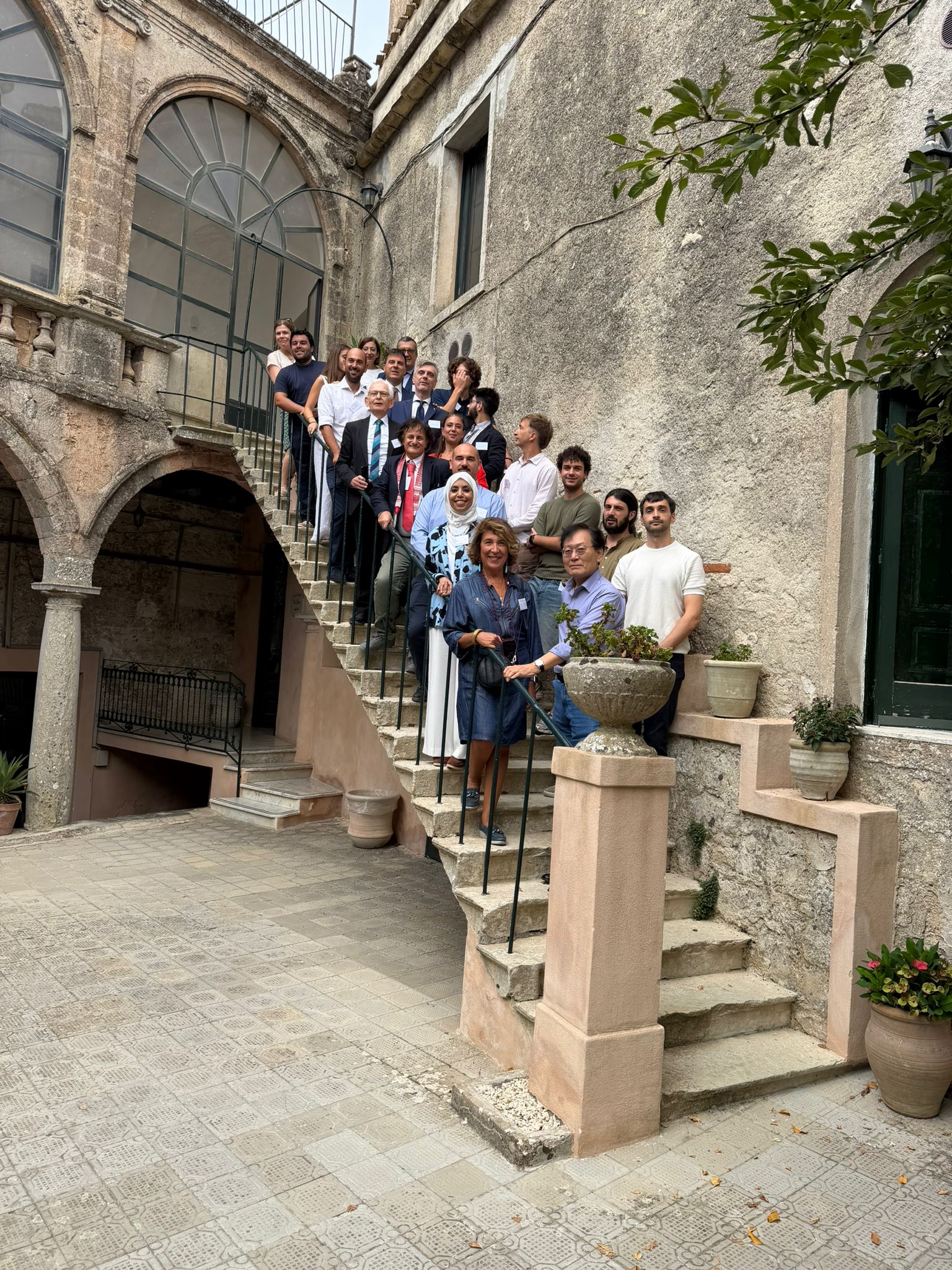
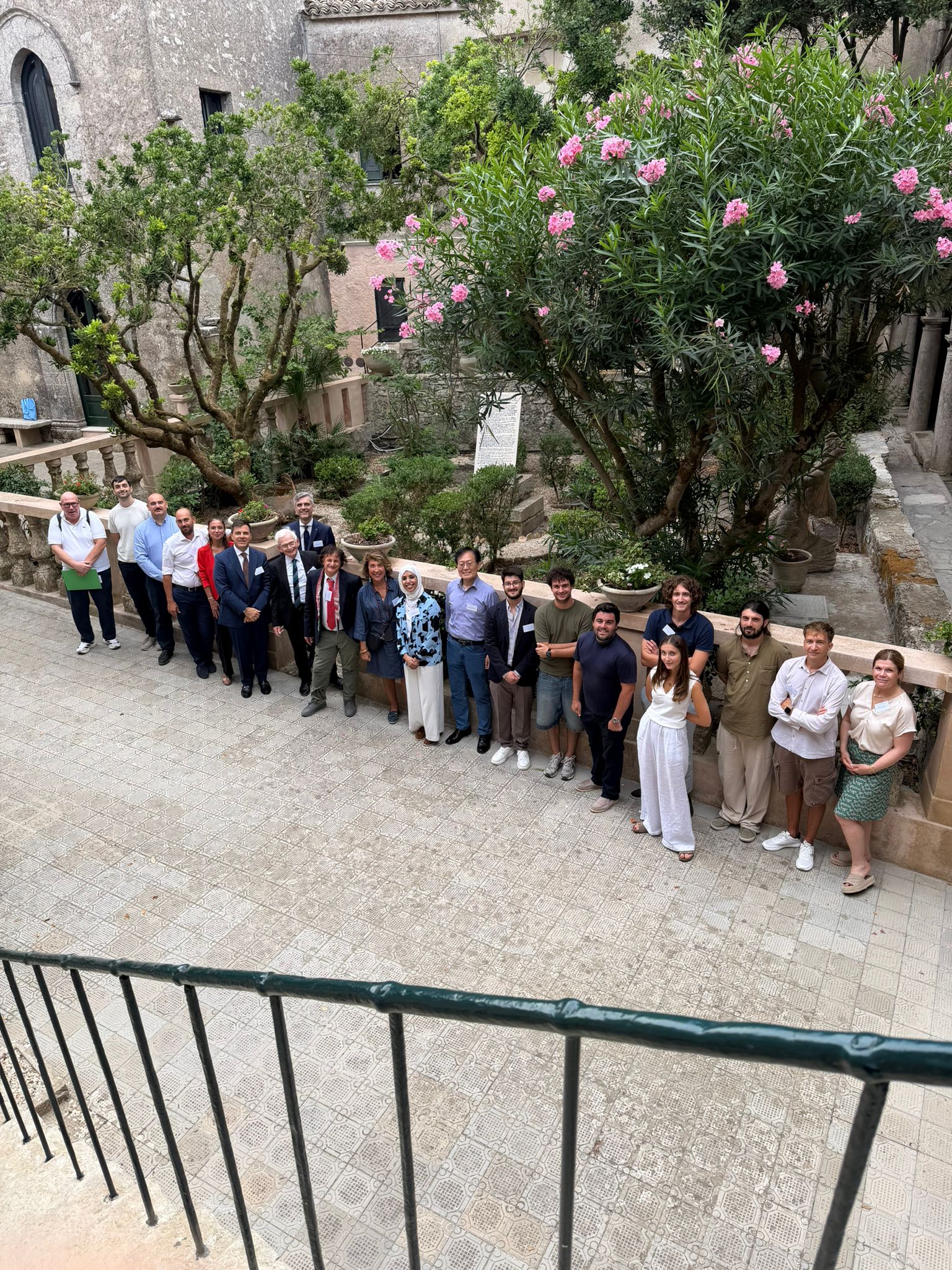
The International School brought together scholars, experts, professionals and young researchers from several countries to explore one of the defining challenges of our time: understanding how to develop and use artificial intelligence while keeping responsibility, security, human dignity and the collective interest at its core.
Founded upon the scientific vision of Professor Antonino Zichichi, the Ettore Majorana Foundation has for decades provided a distinguished meeting place for different disciplines and cultures. Throughout its history, the Centre has hosted 154 Nobel laureates, consolidating Erice’s role as an international reference point for dialogue on major scientific and social transformations.
The second edition of the School continued the path launched in April 2026, strengthening the dialogue between technology, law, ethics and artificial intelligence governance.
The School is directed by Pavan Duggal, Axel Lehmann and Pier Paolo Maria Menchetti. Professor Menchetti, President of CSAIA – Center for Advanced Studies in Artificial Intelligence, has helped consolidate an interdisciplinary approach in which technological development is examined in relation to its legal, healthcare, economic and social consequences.
An international programme spanning technology, applications and AI governance
The programme of the second edition was structured around the three fundamental pillars of People’s AI: technological aspects, applications and governance.
The first module addressed the foundations of artificial intelligence, its historical evolution and the technological changes accelerating its development. Lectures by S.K. Oh and Axel Lehmann explored the transformation of AI models, the main drivers of innovation and the relationship between scientific progress and regulation.
A significant part of the programme was devoted to artificial intelligence applications in strategic sectors:
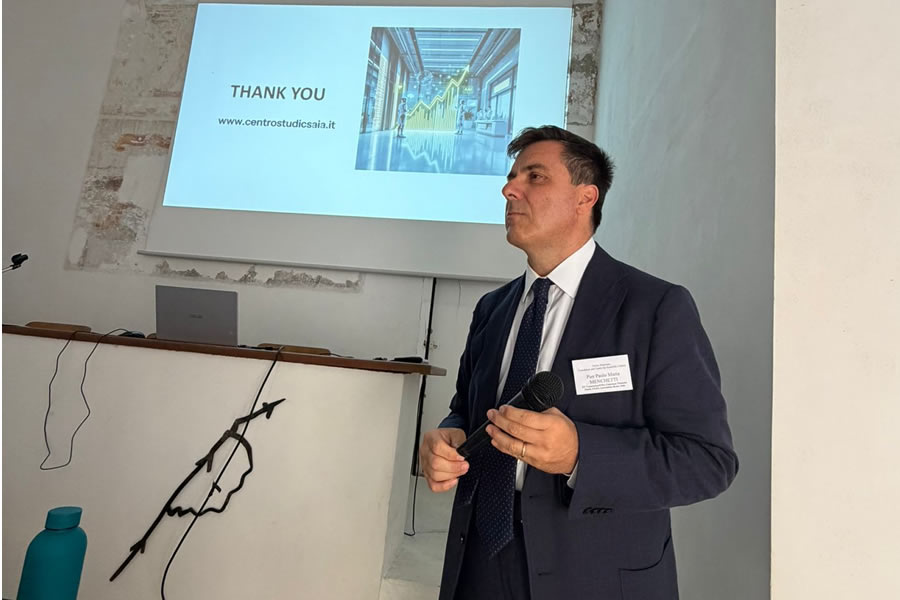
- biomedical research and healthcare applications, with Pier Paolo Maria Menchetti;
- advanced genetics, with Giuseppe Novelli;
- agriculture and agri-food systems, with Paolo Gay;
- decentralised digital infrastructure and renewable energy, with Desiree Verga;
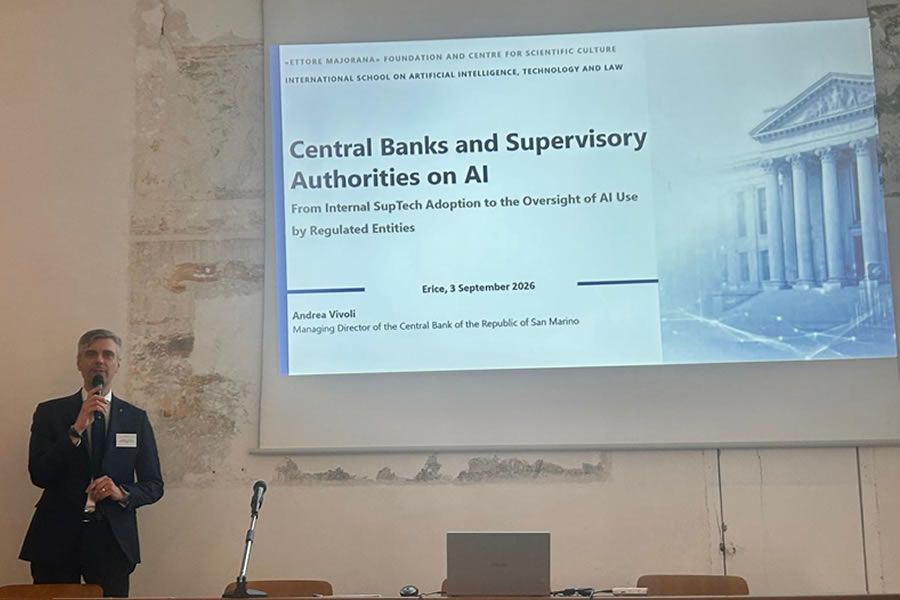
- finance, central banks and supervisory authorities, with Andrea Vivoli;
- smart cities, resilience, sustainability and public policy, with Shaikha Al Saanad;
- Italian administrative justice, with Domenico Franco Sivilli;
- quantum computing and emerging applications, with Marilena Longobardi.
The discussions demonstrated that artificial intelligence is no longer a technology confined to individual specialist fields. It has become a cross-cutting infrastructure that affects healthcare, the economy, public administration, agriculture, energy, security and decision-making processes.
For this reason, the analysis of AI applications was consistently accompanied by an assessment of risks, responsibilities and social consequences.
Artificial intelligence at the intersection of law, security and responsibility
Considerable attention was devoted to artificial intelligence governance and regulation.
The sessions addressed data protection, privacy, intellectual property, liability, non-discrimination, digital sovereignty, cybersecurity and the role of public institutions.
Contributions from Ulrika Dellrud, Suany Mazzitelli, Saverio Occhipinti, Daniela Mainenti, Gabriele Carapezza Figlia, Guido Saracco, Marco Braccioli and Pavan Duggal highlighted the need to build regulatory systems capable of supporting innovation without compromising the protection of fundamental rights.The topics discussed included:
- the transition from data protection to responsible AI governance;
- the complexity of legislative processes and their updating through artificial intelligence tools;
- the protection of intellectual property in the age of generative AI;
- the principle of non-discrimination and the prevention of algorithmic bias;
- the responsibility of those who design, deploy and use AI systems;
- the security of critical infrastructure;
- the cyber resilience of businesses and public administrations;
- artificial intelligence sovereignty policies;
- the need for shared international standards.
The central point to emerge from the discussions is clear: artificial intelligence is evolving more rapidly than national legislation, while its effects transcend geographical, sectoral and institutional boundaries.
Governing AI therefore requires international cooperation, interdisciplinary expertise and an ongoing dialogue among the scientific community, public authorities, businesses and civil society.
People’s AI: what kind of artificial intelligence do we want to build?
What kind of AI do we want to build for the future?
The answer cannot depend solely on the power of models or their ability to generate content, process data and automate decisions. It must also depend on the rules, values and principles that guide their design and use.
The second edition of the International School on AI Technology and Law presented a clear vision: artificial intelligence at the service of humanity.
This is the perspective of People’s AI, built through dialogue among technology, applications and governance. It is a development model that does not regard people merely as users or passive recipients of algorithmic decisions, but as central participants in defining the objectives, limits and responsibilities of innovation.
People’s AI is founded on five structural principles.
Transparency
Artificial intelligence systems used in high-impact contexts must be traceable and auditable. Relevant decisions, data and processes must be capable of being reconstructed and verified.
Analyzability
Frontier models must be analyzable with regard to their safety. This assessment must include independent audits and the involvement of the relevant authorities, ensuring that technical complexity does not become an obstacle to effective oversight.
Human primacy
Artificial intelligence must support human decision-making rather than eliminate it. Systems should not compress decision-making time below the threshold required for effective, informed and responsible human judgement.
Risk assessment
Frontier AI systems require systematic assessment of cascading and cross-sectoral risks. The effects of a system can spread across different domains, affecting the economy, security, information, institutions, rights and social relationships.
This assessment must involve a plurality of stakeholders and cannot be entrusted exclusively to those who develop the technology.
Verification and safeguards
Artificial intelligence safety requires mechanisms for verification, oversight and protection that are consistent across different legal systems. An essential prerequisite is the harmonisation of national AI safety standards, enabling the creation of safeguards that are recognisable and applicable at the international level.
AI governance founded on human primacy
People’s AI seeks to move beyond a conception of artificial intelligence based exclusively on the concentration of data, computing power and decision-making capacity.
The objective is to promote a distributed, open and collaborative ecosystem in which technological innovation and social responsibility advance together.
From this perspective, governance is not an external constraint imposed on technology after it has been developed. It is a structural component of AI design.
Transparency, verifiability, security, responsibility and human oversight must be integrated into systems, infrastructure and organisational processes from the outset.
Human primacy is particularly important. It is not sufficient merely to provide for the formal presence of a person within the decision-making process. That person must have the time, information, expertise and authority required to intervene effectively.
Education and the future: the role of the International School in Erice
The second edition confirmed the role of the Erice School as an international platform for research, education and discussion concerning the transformations brought about by artificial intelligence.
The speed of innovation demands expertise capable of integrating technical, legal, ethical and organisational knowledge. No single discipline is sufficient to understand and govern systems that simultaneously affect rights, markets, infrastructure, institutions and social behaviour.
In this context, education becomes an essential component of governance.
The School offers young researchers an opportunity to engage directly with international experts and contributes to the development of a common language across science, law and institutions.
The discussions held in Erice stood out for their high scientific value and their ability to connect different perspectives. They offered a unique meeting and learning experience aimed not only at understanding what artificial intelligence can do, but above all at defining how we want it to be designed, governed and used.
Towards shared global principles for artificial intelligence
The challenge posed by artificial intelligence is not merely technological. It is also legal, political, cultural and social.
AI systems can deliver significant benefits, but they can also generate discrimination, vulnerabilities, fraud, abuse and consequences that are difficult to predict. Codes of conduct, verification mechanisms and a legal framework capable of operating across national borders are therefore required.
The second edition of the International School on Artificial Intelligence: Technology and Law helped chart a course towards shared global principles founded on the protection of individuals and the responsibility of all stakeholders involved.
Erice has thus reaffirmed its position as an international forum for dialogue between science and society, where innovation is examined in light of its consequences and guided towards the common good.
It is not simply a matter of determining what artificial intelligence can do.
It is a matter of deciding what kind of artificial intelligence we want to build.
An AI that is transparent, verifiable and safe. An AI that gives people the time and opportunity to exercise genuine judgement.
An AI capable of supporting scientific and social progress without compromising human dignity.
A People’s AI: artificial intelligence at the service of humanity.